Patricia DeMarco Ph.D.

"Live in harmony with nature."


1 Comment

For my Father In Honor of The OG PAT Mission 1944

My father was First Lieutenant Michael A. DeMarco, in the OSS Special Reconnaissance Regiment, Company B under General Donovan in the second World War.  Their mission, coded PAT, parachuted 15 men into the Tarn in France with orders to “harass and destroy the enemy, cut German communications and supply routes and strengthen the resistance movement.”  I have shared my Father’s memoir of that time, and now a broader history of the PAT Mission has been researched by Meredith Wheeler with a Fulbright Scholarship to support her research.  http://www.ossreborn.com/files/OG_PAT_A_Fresh_LookPhotos1.pdf

As I read this history again, the words that send shivers through me to this day are: “Within two weeks, the south Tarn was liberated. Some 4500 Wehrmacht soldiers surrendered to 12 OSS men and a few hundred Resistance fighters‐—most of them poorly‐ armed, under‐trained maquis.” My parents named me Patricia in honor of this mission.  I reflect on this Veteran’s Day on the legacy I carry from these brave people – a call to courage and a cry of hope.

img_3486

Michael and Marcella DeMarco 1995

From my Father comes the tremendous courage to prevail in spite of the odds and obstacles.  In all situations he brought caution, thorough preparation, ingenuity, and determination to the problem. This applied to recreational camping as well as to all domestic enterprises.  So growing up in these conditions was often a challenge as we were constantly being prepared for battle, whether one materialized at once or not.  From my Mother comes the outrageously defiant act of having a child in the wake of the atomic bomb. Her fierce determination to maintain hope and optimism in the face of gloom and disaster infused everyone she touched. I am so tremendously blessed to have such parents and the example of both of their lives of self-sacrifice, service and teaching.

In the aftermath of this election, I feel called in their honor to stand for what is ethically and morally necessary in the face of impending tyranny. As I have been reflecting on the serious implications of Trump’s election, I am torn with several emotions, including outrage that Democrats missed the pleas of the Sanders supporters so badly.  People wanted a change, and Hillary was just too cautiously embedded in mainstream politics to resonate with their frustration.  We are getting a change alright, but in the wrong direction!

Action from the passion of my soul is the only possible response. So, to all my friends and followers, I issue a call to action on three fronts:
1. Hold the people elected to account for the true principles guaranteed to ALL people by the Constitution.  We cannot sit quietly while freedoms and protections for women, minorities, the environment are rolled back or undermined. Democracy is not a spectator sport with events once every four years.  We must organize now and engage with voices and demands for accountability every day.
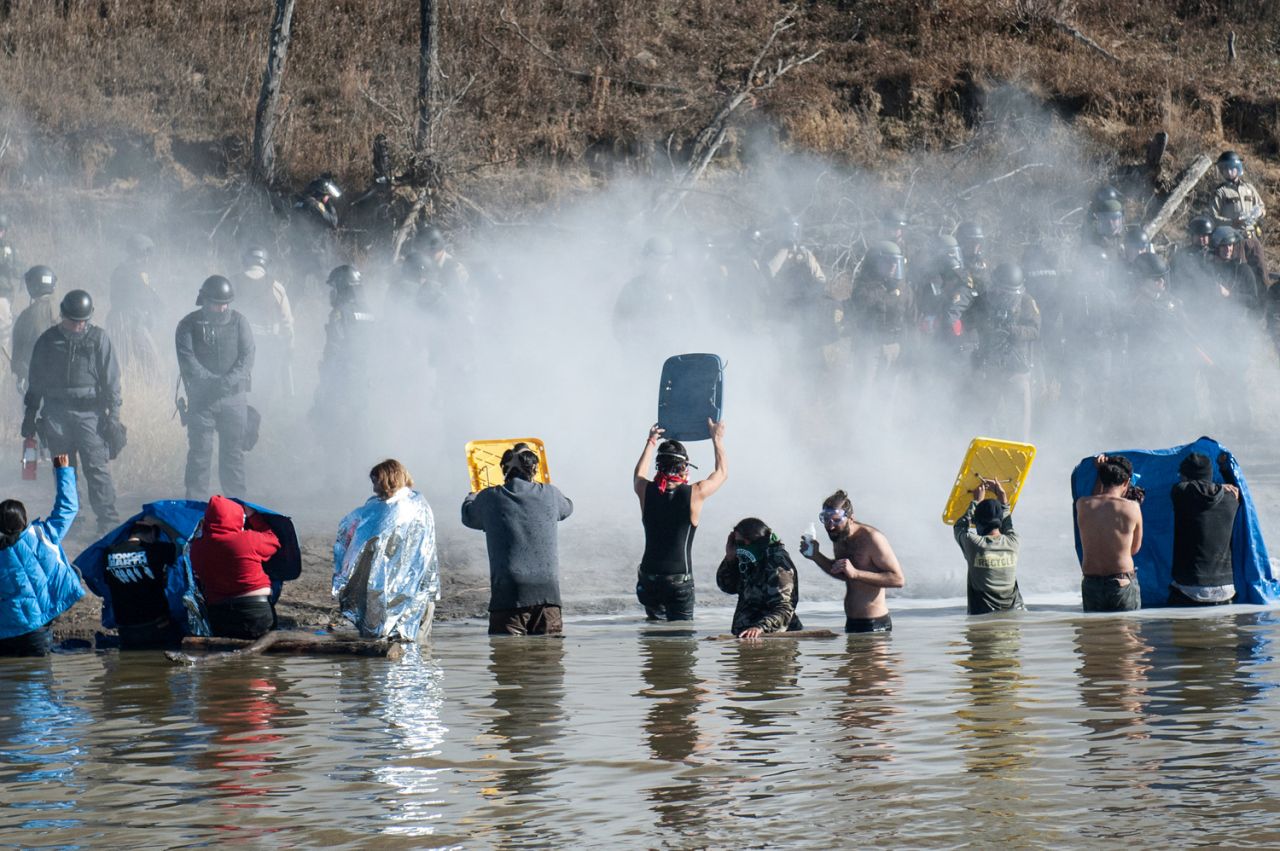
2. We must prepare to defend our environment, our public lands and wildlife refuges from the assault of “getting rid of regulations that hurt business.”  Standing in front of the bulldozers and saws and mining equipment may be necessary, as demonstrated by the Standing Rock Sioux.  This is our fate for the next two years at least.  Our wild lands and our environment must be labeled: “Protected by the People for Our Children and Their Grandchildren”
3. We must organize and bring forward new leaders.  The most passionate voices are those of the Millennials, but there is no room for them with 18 and 20 year tenured legislators, Congressmen, and Senators.  We have to give voice to the generation whose fate we are determining with the policies adopted now. We have to let them step up and shape the world they will live in.
I take hope that in spite of the bombast and vituperative rhetoric of the campaign, Trump is a pragmatist under it all.  He will be the ONLY world leader who does not support climate action. Peer pressure does work on such people as Trump.  At the federal and international levels, the US may actually lose the leadership position on climate action Obama has crafted, but the many cities, states, businesses, communities and individuals who are committed to sustainability and resilience are not going to stop.  Trump may make the federal supports harder, and the infrastructure more burdensome, but there is no way to stop this now.  We need to keep the positive benefits of moving away from fossil fuels in front of the public eye.  Local jobs, health benefits, long term environmental and economic stability – these things are not going away.
In the end, the laws of Nature are not negotiable.  Reality will hit at some point as an undeniable condition. IF we are to survive at all and thrive in this world, we must absolutely preserve the life support system of our Earth- fresh water, clean air, fertile ground and the biodiversity of species that constitute the web of life.  Humans are but one part, but we have dropped a boulder through the fragile web that holds us together. Prepare to stand and fight for what matters.  Plunder and devastation in the name of “good business” may be legal, but it is not right – not for all the living things of Earth that have the right to exist, not for the children of our time or the unborn of future generations.
I remember the lessons of those brave men who jumped into the black night to defend freedom in a strange land, and I prepare for the existential battle for life on Earth.


Leave a comment

Lessons from the Field- Decision 2016

imgresPresidential elections present an opportunity for a broad public dialogue about the issues and policies for the country, a time for debate, discussion and exploration of options. But this has been a campaign full of vicious and demeaning rhetoric, a cacophony of bitter voices masking deep fears and heartfelt worries. The opportunity has been lost for a broad public discourse on the serious issues our country faces. Civil and polite dialogue has broken down entirely showing a lack of respect for the institutions of our democracy and for the individual participants in the contest. In the name of free speech, we have abandoned reasoned debate in favor of hurled insults and degrading parodies. Some observations emerge from my canvassing conversations with hundreds of citizens.


People feel a sense of betrayal in the unrealized hopes and expectations from the Obama administration. There was such a surge of optimism, with raised expectations of massive changes within the term of the first black President. But, by design, the institutions of government buffer the pace of change, and people feel frustrated. Hopes unrealized fuel cynicism and in some cases despair and anger. Few people understand how government is intended to work, the balance of powers among the branches or the rights and responsibilities of citizens.


People fear for the future. There are many forces beyond individual control – globalization, economic shifts, drought and floods. Drawn in part from concerns about changes proposed to address global warming, the unknown future drives people to nostalgia for the past. The Clean Power Plan addressed the technology shift and fuel changes away from fossil sources, but the human and community impacts were not included in the legislation. Such matters as worker transition, community redevelopment and education fall outside the jurisdiction of the EPA enabling legislation. In a Congress where over 50% of members deny the existence of climate change or global warming, the broader policy initiatives necessary for a just and comprehensive shift are impossible to execute. A nostalgia for the heyday of coal, oil and gas development with the mist of time obscuring the problems of the early industrial age, easily grew to a cry of a War on Coal. The personalized plight of coal miners also obscures the broader issues of the treatment of workers and restoration of communities that have festered for decades. The focus on the “All of the Above” energy strategy has glossed over the devastation to the land and the life support systems that protect the clean air, fresh water and fertile ground. The Standing Rock Sioux have taken a stand for preserving the land as a sacred obligation. Their lesson is a powerful recalibration of the equation that has placed jobs at any cost over preservation of the land.

People lack empathy for their fellow citizens. They are focused on their own individual situations and have little interest in the broader common needs. The sense of a common purpose as a community or as a nation is absent. The mentality of preserving individual rights and freedom to do as they please without regard for others is prevalent. This campaign has made the use of hurtful, degrading and disrespectful language appear normal. Without a sense of mutual respect, civil society will not survive. Without recognizing and taking responsibility for inequities and injustice, we cannot make necessary changes to insure that all citizens live under the promises of the Constitution. The sense that everyone has the same rights does not come across as a personal obligation to every citizen.

So on this eve of the 2016 election, I plead once again for the higher principles of our nation to prevail. The rights offered under our Constitution are open to everyone equally, under the law. But people have taken the right of freedom of speech and right to bear arms to an extreme level, ignoring the responsibility to respect each other. These freedoms exercised without responsibility or accountability lead to chaos. A representative democracy requires citizen involvement, not just at election season, but all the time. Once in office, elected officials need to be called to account for their actions. Citizens have the obligation to make their voices heard in communications, in peaceful demonstrations, in action on legislative proposals throughout the course of the years. Elected Officials take an oath to defend and protect the Constitution, and that includes the rights of all of the citizens, the people. This concept has been perverted to include “corporations” as “Persons” but they are not living beings who breathe and bleed. The commitment to the public interest over corporate greed must be re-established as a national priority.

Citizens must take back the control of the government by caring about each other as communities, and holding elected officials accountable. The time is now to vote out people who are not serving the public good so we can start over. Democracy is not a spectator sport that occurs once every four years. It is a daily exercise of responsibility. Begin by voting on the issues, not on the undocumented rhetoric of the campaign. The fate of our nation and of the policies that may preserve life on Earth as we know it hang in the balance.


Leave a comment

From Heart to Harvest

My earliest memories come from growing up in Mt. Washington living upstairs from my grandparents. The back yard was planted end to end with a garden that fed the whole family. We had fruit trees on the borders – pears, plums, cherries, peaches, and of course, fig trees Pop carried here from their home town of Campolieto- Campobasso in Italy. No space was wasted, and the skill of ages went into making everything flourish. I learned from an early age about planting onions among the tomatoes, and putting the zucchini squash and beans in alternating plots each year. The brick walkways had chamomile and thyme growing in the spaces so walking through the garden was a fragrant experience. Mint, chamomile, oregano flowers, and rosemary scented the linen drawers.

My grandfather Angelo worked for the Railroad as a skilled stone cutter, laying the rail beds that wound through the city and into the boroughs beyond. He went off in the morning with a lunch box filled with hand made bread, slathered with lard, and filled with the bounty of the season – fresh onions and tomatoes with basil in the summer, dry sausage and roasted peppers in the winter, with all variations in between. As a child , I did not know we were poor because we ate like kings! Of course, it was the labor of days and nights that fed the family. All summer, we put up food in jars, working under the porch in the shade of the grape arbor that grew up to the second floor. Since every house on the whole block was farming as we did, we pooled resources to harvest and can. Three or four women chatted away in Italian as they peeled, pared, pressed and stirred vast vats of sauce over the black coal stove. We went to each house in turn, sharing seasonings and recipes…none written down, just passed on from hands to hands.

harvest-2015-08-20-11-55-50-copyAt the end of the summer, the cold room in the cellar would be filled with hundreds of quarts of tomato sauce, ratatouille, beets, carrots, beans dried and stored, onions and garlic hanging from their braided stalks, roasted peppers stored in oil, eggplant and all manner of pickles. In the winter, we would make salchiche (sausage) and Pop would take a good piece for prosciutto, a five year process of packing in salt and pepper. The new one would go to the back of the line, and the front one would be cut. A special treat in summer would be a curl of the deep red meat over a cold slice of melon.

We did not always have meat, but we kept illegal chickens under the porch that supplied eggs, and vast amounts of chicken cacciatore for the gatherings of the extended family on feast days. (My Nona celebrated the saint day, not the birthday of her children.) As I have tried to become less dependent on meat in the diet, I have recalled so many of my Nona’s meals. She made yellow and green zucchini with onions, peppers and tomatoes well seasoned with garlic, basil, oregano and hot pepper to pour over polenta. Or this was served fresh sometimes in the summer, with eggs poached in the broth and big slabs of hot bread. In the winter, the freshness of the summer days would rise from the jar as the canned ratatouille was opened to serve. And nothing beats home canned tomato sauce over hand made gnocchi.

I have always put some freshness of summer up for the winter in jars. Partly because I love jam on my breakfast toast, but dislike to the overly sugared and tasteless commercial preserves. I find that done in small batches of about 12 cups at a time, it is simple and very rewarding to make jam. Strawberries in May, rhubarb, plums, peaches, raspberries, blackberries all find their way to the larder. It is also very easy to put up fresh fruit, especially peaches and pears and applesauce with just a boiling water bath as a processing requirement. And of course, the fresh tomato sauce, ratatouille, beets, carrots, and eggplant come in season. The time is easily found when the reward is so tangible, and adds so much to the quality of life. Though I rely on my CSA from Kretschmann Organic Family Farm for most of my produce to can, I still feel connected to the farming tradition of my family. It warms my heart to share my Nona’s legacy with those I love.

Reprinted from:

The New People- Pittsburgh’s Peace and Justice Newspaper, Vol. 46, no. 9, page 7. October 2016


Leave a comment

Fracking: Health Effects and Worker Safety

Fracking: Health Effects and Worker Safety

By Patricia M. DeMarco

{Summary of remarks at The Battle of Homestead Foundation screening of “Gaswork” by Josh Fox on August 25, 2016}

Hydraulic fracturing (Fracking) for natural gas is touted as the centerpiece of American energy leadership for climate change and economic security. Sadly, this entire industry rests on “The Haliburton Loophole” in the Energy Policy Act of 2005, which grants exemptions from seven major federal statutes intended to protect public health and the environment, including the Safe Drinking Water Act, Clean Air Act, and Toxic Release Inventory provisions. The Fracking Responsibility and Awareness of Chemicals Act to close the Haliburton Loophole has been introduced by Senator Casey (D) PA, every year since 2011 with bipartisan support, but has been kept in committee without a hearing.

Fracking Pollution Sources:

Fracking pollution occurs at all stages of the process: site access and preparation, material transportation, drilling operations, production and processing, gas compression, pipelines, and combustion at the final point of use. Between 2005 and 2016, 137,000 wells have been drilled in 20 states. The industry operates in rural areas of the country, separating the various components of the industrial process to avoid consolidated review of environmental impacts. In many jurisdictions, as is true in Pennsylvania, local government entities are limited in what restrictions they can place on fracking activities. Unfettered by normal environmental and health protections, the industry has expanded rapidly.

In spite of industry assertions of safe practices, evidence of widespread environmental and health harm is accumulating.

  1. Climate Effects. Approximately 4% of the gas produced by fracking is lost through leaks and flaring at the well site, equivalent to 100 million tons of carbon dioxide. Fossil methane is a potent contributor to the greenhouse gases that cause climate change with a 105 times greater impact than carbon dioxide over 20 years.
  1. Surface water and groundwater pollution. Groundwater pollution occurs from well casing leaks, estimated to have a 5% per year failure rate, and leaks through the fractured rock.(Ref) Water contaminants can be mobilized from older pollution sources such as mine drainage from the hydraulic fracturing shocks. Surface water pollution can occur from several paths including discharges and spills at the well site, wastewater disposal, and transportation spills.

Water pollutants associated with fracking disharges include carcinogens such as benzene, toluene, butoxyethanol, and zylene; toxic chemicals including boric acid, methanol, dissolved methane; and 120 endocrine disrupting chemicals such as naphthalene. (Ref)

  1. Air pollution. Drilling gas wells, producing the gas, and completing the wells releases fine particulates, and volatile organic compounds. These also come from spills on site, produced water evaporation pits, flaring gas at the well site, surface transfers, compression stations and processing facilities. In addition, thousands of diesel truck trips for hauling sand, chemicals and materials contribute to local air pollution.
  1. Ground pollution. Produced water from the fracking wells, labeled “Dirty water” legally can be discharged onto the roads for dust control or ice control. Sludge from evaporation pits goes into landfills and some produced water can be added to municipal waste in landfills. The process of developing access roads and pipelines has fragmented habitat in forests and parks, degraded farmland, and contributed to land erosion. Common contaminants include heavy metals such as arsenic and lead, bromides, radioactive isotopes of radon, boron, uranium and chromium, and chlorides from heavy brine.


Hydraulic Fracturing Health Concerns

Fracking environment and health effects come from the environmental disruptions of the process, the chemicals used in the slick water hydraulic fracturing process, and the contaminants that are extracted from the shale and brought to the surface with the gas. The most pervasive health effect comes from degradation of the environment and the systems that generate fresh water, fertile ground and the biodiversity of species that support life on Earth. Fracking uses about 500,000 gallons of fresh water per well, causing stress on watersheds, domestic and agricultural water needs, especially in drought stricken areas.

About 649 chemicals are associated with the fracking process. Of these, 75% cause acute skin, eye and respiratory irritation; 40-50% affect the brain, nervous, immune and cardiovascular systems and kidney functions; and 37% are known endocrine disruptors. 25% of the most common fracking chemicals cause cancers and mutations that may take years to emerge. Those most clearly associated with fracking include silicosis, lung cancer, liver cancer, leukemia, Hodgkins lymphoma and reproductive disorders. These are especially of concern because they increase the incidence of birth defects, low birth weight, miscarriages and stillbirths. These kinds of health effects are reported at statistically significant elevated levels among populations within a mile of fracking operations, potentially affecting about 9.4 million Americans.

About 170 thousand workers in the oil and gas industry are exposed to harmful chemicals as part of their regular work experience. Fatal injuries occur at a rate seven times higher than the rate for general industrial workers. Trucking accidents happen when the driver is overcome by exposure to volatile organic compounds during transport of wastes with no cautionary hazard placards. Workers suffer from strange painful rashes and neurological disorders without any idea of what caused them. NIOSH reports that 47% of workers at 111 sites they examined were exposed to levels of fine silicone dust at ten times the allowable level. Many suffered from silicosis and lung cancers from inhaling the fine sand used for propant in fracking. Workers exposure to benzene levels far in excess of the 0.1parts per million standard for occupational exposure was found at 88% of work sites. Most of the workers in the fracking industry are not represented by a union, have no advocate for their health and safety, and often are facing few alternatives to working in dangerous and unhealthy conditions.

Because of the Haliburton Loophole, the fracking health exposures to both the public and the workers are legal, but it is not ethical or morally right to allow such a broad segment of the population to be affected so harshly.

(See https://patriciademarco.com/wp-content/uploads/2014/10/8-25-2016-fracking-health.pdf for the slides of this presentation.)


Data Sources:

OSHA Info Sheet “HAZARD ALERT: Silica Exposure during Hydraulic fracturing” March 25, 2016.   https://www.osha.gov/dts/infosheets/


2 Comments

WE Are the Clean Energy Revolution

June 24, 2016. The March for a Clean Energy Revolution filled the streets of Philadelphia from City Hall to Independence Hall with about 10,000 people from across the country marching and chanting about the issues surrounding climate change on the eve of the Democratic National Convention. The anger and frustration with a political system that has ignored or opposed actions to reverse climate change rose in waves of passionate demands: “Stop Fracking Now!” “We Are the Revolution- Go Solar Now!” “Stop fracking wealth and protect public health!” People gave voice and testimony through their presence to their outrage over laws that protect corporations’ interests over workers’ health, profit multinational corporations while destroying communities’ water, land and air, and subsidize fossil fuels while placing roadblocks for renewable energy systems.

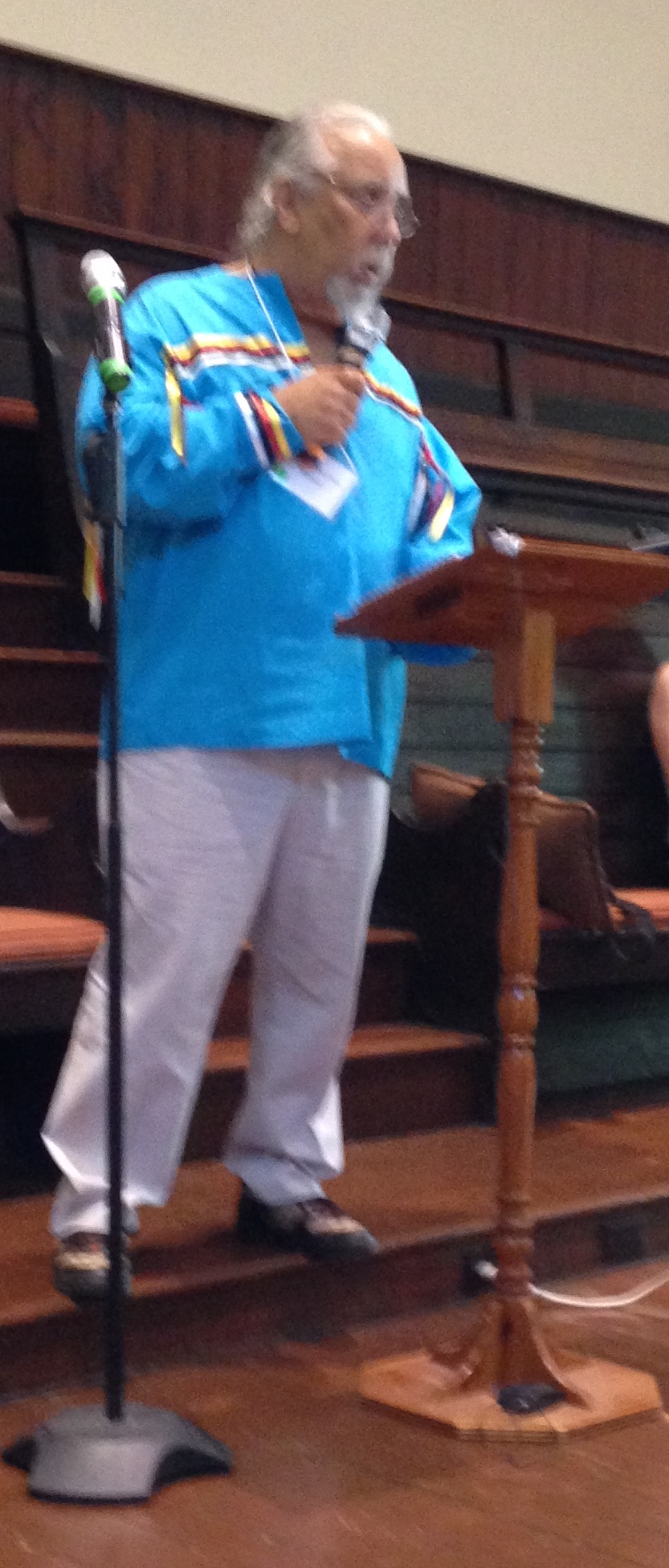
Many of the marchers spent the previous day at the Summit for a Clean Energy Revolution at the Friends Center. Chief Perry of the Ramapough Lunaape Nation set the tone of the whole day by lifting up the pleas of over 200 indigenous peoples for all people to return to the old ways based on an ethic of respect for “our Father Sky and our Mother Earth.”

Chief Perry, Ramapaugh Lunaape Nation opens the Summit for a Clean Energy Revolution, July 23, 2016

Chief Perry, Ramapaugh Lunaape Nation opens the Summit for a Clean Energy Revolution, July 23, 2016

Powerful stories punctuated the day:

  • Robert Nehman told of the effects of sand mining that destroys formations over one million years old to grind into sand for the fracking fields in states distant from Iowa and has workers suffering from silicosis.
  •  Ashley McCray, Absentee Shawnee Tribe-Ogala Lakota Nation, spoke of her decade of protests against the threat from gas pipelines and the infrastructure of fracking that had shaken her lands for ten years with earthquakes, pipeline spills, and the noise, air and water pollution that fracking brings – protests only recognized when richer white neighborhoods were affected also.
  • Diane D’Arrigo, of the Nuclear Information Research Service, described the environmental injustice associated with nuclear power from uranium mining through the enrichment process to power plant operations and fuel management –all steps of the process produce radioactive wastes that fall disproportionately on Navaho lands, and on people in disadvantaged communities.
  • Sandra Steingraber  documented the health effects of fracking noting that 15 million Americans live within a mile of fracking operations and that incidences of asthma in these areas is four times higher than background levels. (All of the presentations will be posted by Food and Water Watch – Summit for a Clean Energy Revolution)

The Clean Energy Revolution Summit: Breakout Session #3- A Visionary Ambitious Transition Plan – with Arjun Makhijani, Russell Greene, Micah Gold-Markel and Patricia DeMarco.

Remarks of Patricia DeMarco:

Climate change is the existential issue of our time. The fact that the earth’s climate is changing rapidly in response to human actions since the Industrial Revolution presents a series of ethical and moral challenges. This Clean Energy Revolution is not a technology problem… it is an ethical problem. The laws of nature – chemistry, physics, and biology – are NOT negotiable. It is we who must change our behavior to adapt the way we interface with the natural world. The pace of change accelerates as warming of the atmosphere and increasing acidity of the oceans change the geochemistry of the Earth. We must move quickly to reverse greenhouse gas production, or life as we know it will not survive.

The technology for moving the global economy from a fossil base to a renewable energy base is already in hand. No super innovation is required to begin the conversion to a clean energy future. Climate change is essentially an ethical issue on four levels:

  1. Intergenerational justice: this generation as a moral obligation to the unborn children of the 21st century to preserve the life support system provided by the living earth – oxygen-rich air, fresh water, fertile ground and the biodiversity of species of which humans are but one part.
  2. International justice: people living in the industrialized northern hemisphere are the principal causers of the escalation in greenhouse gas emissions, but the most immediate devastating effects from sea level rise and drought are being felt most acutely by people who did not contribute much to the problem – people from island nations, equatorial countries and arctic communities.
  3. Local environmental justice: people living close to fossil fuel industries are most acutely affected by health effects from pollution, community devastation from mining and waste disposal, and safety hazards from spills, explosions and water and land contamination. Low income and disadvantaged communities suffer the impact while the profits benefit distant corporations.
  4. A just transition for workers: For the workers and retirees of the oil, gas and coal industry, the transition to a renewable and sustainable energy system presents a challenge that is not covered by bankruptcy laws. Corporations like coal companies that see a fall in their markets have bankruptcy protections to keep their shareholders whole, but the workers are “offloaded’ to shell corporations that go bankrupt leaving workers without pensions, health benefits or a way forward for their children and families. This practice may be technically legal, but it is not right!

These ethical issues must be addressed in a comprehensive way to mobilize the full might and ingenuity of our country on the problem of climate change. A change in attitude to make climate change an urgent issue for every person, every day, every way can begin to turn the American lifestyle from one of conspicuous consumption and profligate waste to one of preservation, conservation and wise resource use. An energy policy based on “all of the above” including fossil and nuclear resources is not sufficient to the magnitude of the task. If you are headed toward a cliff at 55 miles an hour, slowing to 30 miles an hour will just delay the time before you drive over the edge. We need to take a new direction in energy policy. The following actions can set a beginning for a renewable and sustainable energy base to the global economy:

  1. Leave fossil fuels in the ground. Eliminate the subsidies for fossil fuels, including investment and production tax credits, below market leasing on federal lands, federally funded research and development on fossil fuel extraction and combustion, trade advantages, and investments in fossil resource infrastructure such as pipelines, export facilities and processing facilities. Invest in land reclamation, watershed restoration and community re-development instead. Focus on efficiency improvement and retrofit for existing fossil-fueled buildings and operations.
  2. Support and promote renewable and sustainable energy systems with the full force of law. Adopt federal standards promoting passive and active solar design for all new buildings. Provide technical assistance and community development grants for renewable energy systems on all public buildings. Stabilize the business environment for renewable energy with permanent investment and production tax credits for renewable resources and the associated infrastructure to support American manufacture and production of components.
  3. Plug the “Haliburton Loophole” immediately to curtail the harm to workers and communities from its exemptions for hydraulic fracking from the Clean Air Act, the Safe Drinking Water Act, the Resource Conservation and Recovery Act, and worker protections under Occupational Safety and Health Administration. No industry should be allowed to operate under suspension of basic public health protections.
  4. Establish a “Superfund” for displaced coal miners and fossil fuel industry workers. The pension benefits, health benefits and four years of retraining with salary support for families can redirect the human capital of workers with dignity and respect. Bankruptcy protections must provide for workers first, not only stockholders.


Addressing climate change will require empathy for the plight of people most acutely affected, whether they are next door, across the ocean, or yet to be born. It is time to stand up and demand an energy policy that protects our children and their grandchildren rather than the corporate greed of fossil fuel developers. The solutions are at hand. We need only the courage and commitment to pursue them as rapidly as possible, not as slowly as is expedient. Be the leader among those you reach. WE are the Clean Energy Revolution!

Hear the NPR interview here: https://stateimpact.npr.org/pennsylvania/2016/07/24/clean-energy-advocates-urge-dnc-to-ban-fracking-promote-renewable-fuels/

Marching with friends from Marcellus Outreach Butler

Marching with friends from Marcellus Outreach Butler


Leave a comment

United We Stand. Divided We Fall.

The fabric of our society is torn by hatred, frayed by distrust, and tattered by fear. But the basic structure of America is stronger than any in the world. The Constitution and the rights and obli…

Source: United We Stand. Divided We Fall.


Leave a comment

United We Stand. Divided We Fall.

The fabric of our society is torn by hatred, frayed by distrust, and tattered by fear. But the basic structure of America is stronger than any in the world. The Constitution and the rights and obligations it details have stood for 240 years guiding a society governed by the consent of the people under the rule of law. The rights entailed in the Constitution have explicit or implied responsibilities which, taken together, represent a social contract that binds all citizens in a common journey. America was meant to be a government “of the people, by the people and for the people.” Unfortunately, this high aspiration has been subverted and corrupted by forces of greed and hatred.

The second Amendment of the Constitution “right to bear arms” does not intend the unprovoked slaughter of innocent citizens, nor the shooting of people in the streets over trivial altercations. When did it become acceptable to shoot first and ask questions later? Such evidence of the breakdown of the basic compact of a lawful society grows from frustration, inequity and fear.

The weight of corporate and special interests over the general public interest in political decisions is manifest in both the nature of laws adopted and in the blockage of laws that protect the public. One especially insidious example is the Energy Act of 2005, with its specific exemptions for hydraulic fracturing from the Clean Air Act, the Safe Drinking Water Act, the Resource Conservation and Recovery Act, and certain provisions of the Occupational Safety and Health Act. Justified by an “all of the above” energy strategy, this set of exemptions has exposed the citizens of 39 states to the environmental and health effects of fracking. As the “anecdotal” evidence continues to accumulate, people grow increasingly frustrated when the environmental regulatory authorities appear to do nothing. Communities face failure of water supplies; workers develop illnesses from exposure to harmful wastes and by-products; fracking facilities appear next to schools, residences and business districts. The power of a regulatory agency is limited by the authorization in the law, so when the law specifically exempts an industrial activity from regulation, the regulatory agency has no authority to curtail that activity. The influence of corporations such as Halliburton, with the specific influence of Vice President Chaney, pushed through a law that runs explicitly counter to the public interest. Now, corporate interests in developing deep shale fossil gas at the expense of public health and safe drinking water seems entrenched in national energy policy as a “bridge fuel” to an undefined future. A few get rich, many get sick or lose their homes.

Corporations have received increasing rights and power by the action of the court, most especially in the Citizens United decision issued in September 2010. This decision increased the ability of corporate interests to use financial influence in elections, directly and indirectly. As more weight of corporate and special interests prevent actions favored by large majorities of citizens, trust in the ability of lawmakers to respond to the needs of people continues to grow. Failure to adopt any form of gun laws in the face of escalating community violence is one example. Failure to address climate change in the face of growing evidence of current and future harm is another.

America touts its position as the land of the free and home of the brave. But, freedom requires responsibility. Freedom of speech includes the responsibility to listen with respect to other opinions. The right to bear arms for self defense entails the responsibility to ensure safe use, not an entitlement to perpetrate violence. Freedom unrestrained by accountability and responsibility for actions results in chaos. Solidarity and empathy among Americans as people in a shared journey makes us a great country. America’s diversity is our strength. The income inequities, frustration with corporate greed over public well-being, and fear for the future are the seeds of our destruction from within. Standing together to demand justice and equity, with compassion and respect for each other, and with concern for the children of the future will return power to the people. Our children lead in this struggle. I take courage and inspiration from the Woodland Hills Academy

Woodland Hills Academy eighth graders March on April 23, 2016

Woodland Hills Academy eighth graders March on April 23, 2016

eighth grade students who organized a community march and forum “Guns and violence do NOT define US!” They deserve a better future.

This is a time when people need to reach out to restore the trust in each other as fellow citizens. This is a time to work together to restore the priority of the public interest at all levels of government. This is a time to work together for justice and equity. Without a base of mutual respect, beyond tolerance at a distance, there will be no peace. We are strong when we stand together, but vulnerable when we allow hatred and fear to divide us.


1 Comment

Memorial Day 2016

We do not know one promise these men made, one pledge they gave, one word they spoke; but we do know they summed up and perfected, by one supreme act, the highest virtues of men and citizens. For love of country they accepted death, and thus resolved all doubts, and made immortal their patriotism and their virtue.”

– James A. Garfield
May 30, 1868 Arlington National Cemetery

These words were spoken on the first “Decoration Day” at a ceremony where people decorated the graves of Union and Confederate soldiers who died in the American Civil War. Now called Memorial Day this national holiday honors all the people who have died in service to the country. It is a good time to think of legacy and sacrifice. It is a good moment to reflect on what divides people from each other and what unites us in common purpose.

America has its finest hours when people unite for a cause with honor and purpose to improve human conditions or to right wrongdoing. We are a country with deep roots in the value of government acting as an agent for the good of all the people. Many came here to escape persecution, injustice, tyranny and suppression. This has been a land of hope and aspiration, a place where dreams can come true with “freedom and justice for all.” The lofty aspirations of the country’s founding hold modern Americans to a high standard because in the intervening 230 years the world has changed, expectations have changed, and the goal of “freedom and justice for all” is not as transparent as it used to be.


Freedom is not without a cost. To have freedom and justice together requires laws that society agrees to abide by to assure fairness. Otherwise people exploit their own advantage at the expense of others. Some people bully and tyrannize others. To be a just society requires that those with power be held accountable for the justice of their actions within the law. And having a just society requires that the laws protect the people. The People. That means real people with hearts that beat and love and aspire, who sacrifice to achieve their dreams and hopes for their children, who bleed and die for what they believe in if called in times of need. People like my Father, Michael DeMarco, paratrooper in Donovan’s Devils in World War II; Both of my Grandfathers, Angelo DeMarco who fought in Ethiopia in World War I, Michael Strutzel who fought in France in World War I. They fought for the aspirations of their children against opression and despair. Freedom without responsibility and accountability leads to tyranny and chaos.


Memorial Day weekend also calls to mind Rachel Carson’s birthday, May 27, 1907. She called for people to recognize and include in the definition of freedom the defense of the natural environment that supports life on earth. Freedom includes the right to fresh water, clean air, fertile ground and the biodiversity of species that constitute the web of life of which humans are but one part. Human survival to the end of the 21st century requires all people in the world to rise in the defense of our own life support system- the living earth. It is our obligation to our children to preserve the earth as a living system for renewal of fresh water, clean air and fertile ground.


This Memorial Day, America honors many who have died in the defense of oil fields; in conflicts over lands where the bonds of civil life have frayed and torn over massive changes in the conditions of their land from climate change; and in American cities and towns where civil strife rises with violence over injustice. This Memorial Day it is a good opportunity to reflect on what true greatness in a country means. Care for the people. The People!


Care for the conditions that give equity and justice to all the people, not only those with money and power. Care for the rights of people for a fair wage, safe working conditions, and communities where children can thrive and learn. The responsibilities of freedom include weaving a fabric of laws that society abides by with the confidence that society protects the life support system – air, water and land – as well as the most vulnerable and those in need. The country was founded to secure the “Blessings of Liberty to Ourselves and our Posterity.” If we are to provide the blessings of liberty to our posterity, we must take responsibility to protect the basic conditions of justice and take precaution in protecting our life support system for our children. Without justice, there is no peace. With out peace there is no hope. Without the Earth, there is no life.


Leave a comment

Earth Day 2016: Facing the Brink of Despair with Hope

April 22, 2016. A soft rain falls on ground dry for over a week, just at the time when trees and perennial plants need water to spur their awakening from winter. Here in Pittsburgh, the prospect of a dry summer bodes caution in planting, and plans for irrigation. But in the great plains and the valleys of California, the fourth year of drought holds dismal prospects for food production and personal comfort. Climate change becomes more and more difficult to deny. Yet, the rhetoric bludgeoning the airwaves from political candidates remains oblivious to reality. From the right, denial of human agency in climate change threatens an acceleration toward destructive actions. From the left, promises of structural remedies face certain defeat in a Congress paralyzed by entrenched vested interests of the fossil industry. In the middle people rise in frustration to clamor for attention to the real needs of daily life – clean air, safe water, secure food supplies, and the dignity of meaningful work. Under all the confusion, the Earth is screaming for relief of the daily insults imposed by human civilization.


The voice of the Earth rising is a song of hope for the future. It resounds in the chants of students to “Save the Planet NOW!” It surges through the bodies of people working together to create urban community gardens and Community Supported Agriculture. It flows with the sun and the wind to power thousands of communities and homes with renewable energy. It ripples through the gatherings of over 100 Mayors as they seek to build resilient cities. It shimmers in the eyes of children who seek a future they can thrive in. The voice of Mother Earth whispers in each of our ears, if we listen for it. The urgency and passion of that voice can empower the people to rise in defense of our own life support system. Nothing less than our own survival is at stake.


The first Earth Day was marked by a confluence of movements coalescing around a movement. The choking smoke of Pittsburgh, burning rivers of Chicago, oil-blackened beaches of Santa Barbara, and fish kills in Mississippi were impossible to ignore. Ten million people clamored for change. The voice of the public outweighed the influence of vested interests to pass laws to protect clean air, safe drinking water, endangered species, and protect from toxic substances in the environment. Many of these laws have received amendments over the years, mostly to offer exemptions, or to weaken specific provisions. In the intervening fifty or so years, the pendulum has swung back to protecting private business interests over public interests. The foundational environmental laws of that time addressed mostly the symptoms of the obvious pollution- corks in smokestacks, stoppers in effluent pipes, liners in landfills, parks and refuges with resource extraction permissions.


It is time for a New Earth Day! – a commitment to save our life support system with tangible actions by 2020. Hindsight 20/20 vision offers ample lessons of ways human civilization has seeded its own destruction. Using that insight to plan forward for a sustainable future will require not a re-tinkering of the 1970’s laws, but a new consensus based construction of laws. The system changes necessary for a sustainable future move the economy from a fossil-fueled base to a renewable energy system, including buildings designed with zero net energy, water and waste elements. Agriculture practices will move away from the pathological addiction to herbicides, pesticides and fertilizers to practices based on restoring fertile ground, wasting less, and reducing the amount of meat in the American diet by half. The endless stream of toxic chemical products and byproducts of consumer goods move away from the resource extravagant industrial practices based on plastics and fossil based polymers to green chemistry solutions inspired by biological systems. Enzymes and bio-synthesis rather than high temperatures and harsh chemical treatments will design consumer products that can be reused, recycled and repurposed in a circular economy to replace the modern culture of converting raw material to trash. These kinds of pathways offer endless opportunities for local jobs that add value and create local economies and strong communities. None of them require new technology, only new values, new choices.


To make system changes requires the will to seek a just transition for people living today, and a commitment to provide a viable planet for our children and their grandchildren. For the interests wedded to the fossil world, laws that change the value of investing in the ways of the future will give greater returns. We face the moral imperative to provide a viable future for the next generation. Preserving the functions of the living Earth guided by laws of nature tested over millions of years will save humanity. Restoring our life support system calls for people to rise in response to the screams of Mother Earth. Renewable energy, sustaining fertile ground, green chemistry – these are the pathways to a sustainable future.


Leave a comment

Reflections on Takashi Morizumi’s “Strange Beauty”


imgres

 March 21, 2016 Spring Equinox – Reflections on Takashi Morizumi’s “Strange Beauty”


“Strange Beauty” autoradiography images from Fukushima by Takashi Morizumi

In the suburbs of Pittsburgh, houses, roads and buildings intrude on the deciduous forest that once covered these hills. Where I live, in Forest Hills, hundred-year-old oaks rise to intertwine branches over the house and yard. Soft snowflakes settle on white daffodils yielding to the warming sun of this Spring morning. The fragile beauty of new growth asserts the vitality emergent from the Earth. Sunlight sparkling through dewdrops on new leaves encapsulates in miniature all that is needed for life. How starkly different from the sparkling radiance captured through the decay of Cesium-137 on objects left abandoned after the tsunami and Fukushima Daiichi disaster in Japan in March 2011. The poignant pictures of Takashi Morizumi, displayed briefly at the Frick Fine Arts Gallery, made the tragedy of that distant place feel close, and unspeakably sad.


Five years ago, the Fukushima Prefecture was rent asunder by a 9.0 magnitude Great East Earthquake and tsunami that shook foundations all along the coast and inundated the Fukushima Prefecture. The nuclear power complex at Fukushima though fortified and built with protections, was no match for the force of the water that poured over the area. As the reactors’ auxiliary generators were inundated by the floods, the emergency systems failed, the cooling systems failed, and hydrogen explosions rent the facility spewing radioactive material across the countryside. The fuel core of two reactors melted, with radioactivity levels so high, even five years after the event, robots sent to take measurements and inspections cannot function. (http://fukushimaupdate.com/radiation-so-high-at-fukushima-tepcos-robots-cant-survive/)


In the aftermath of this disaster, 159,128 people were evacuated from the “exclusion zone” area where the radiation continues at levels unsafe for constant exposure. Cesium-137, with a half-life of 30 years contaminates an area of 11,580 square miles, making the land uninhabitable for at least 300 years. Thyroid cancer rates of 20 to 50 times the national average have been experienced in the Iodine-131 exposed population, especially those who were children at the time of the accident. Iodine -131 has a half-life of only eight days. Its effects can be lessened by immediately giving people iodine tablets to block uptake of radioactive iodine, but enough tablets were not available to all the exposed people. Scientists have called for large-scale independent epidemiological studies to collect better information about the exposure levels and the health effects that may unfold over time. It is difficult during an emergency to collect information systematically, or to respond to the needs of so many people when the basic infrastructure of the society has been disrupted by the twin emergencies of the earthquake and tsunami itself, compounded by the nuclear power plant failures.


Other communities around the world have experienced the tragedy of tsunami and earthquake disasters. The water goes down, people return to their neighborhoods and rebuild, or sell and move on. The compounding complications of the Fukushima Daiichi nuclear power plant failure makes return impossible. People suffer from the grief of separation from their land, the destruction of the human network of communities, and the uncertainty of their fate from unknown amounts of nuclear exposure. The disaster has left a miasma of fear and despair. Once fertile fields of the Fukushima Prefecture lie idle, their topsoil scraped into black plastic bags in an attempt to reduce the radioactive contamination. Even as areas are cleaned, the rain and snowmelt re-introduce Cs-137 from untreated areas. The sea water being pumped into the crippled plants becomes radioactive, and is being stored in thousands of tanks, with much leaking through the bottom to flow into the ocean in a radioactive plume that has not been stopped or contained yet. Plutonium has a half-life of 24,000 years, essentially contaminating the core site of the melted reactors forever. Takashi Morizumi’s images capture the heartbreak of those who can never come home, and the tears of the Earth laid waste for hundreds of years.


The promise of nuclear power, using atoms for peaceful generation of electricity, rings hollow in such a place and time. There are 328 nuclear power plants operating worldwide, 104 in the United States. Of these, 63 are of the same design as the Fukushima Daiichi plants. The Price Anderson Act protects the nuclear power plant operators from liability with a government-backed insurance policy. But what happens to the communities, if the worst does occur? Each power plant in the US has a “spent fuel” pool nearby to store the highly radioactive spent fuel rods removed from the reactor cores. The Nuclear Regulatory Commission fact sheet on nuclear power states, “There are no permanent disposal facilities in the United States for high level nuclear waste.” Several nuclear plants around the world are situated along earthquake fault lines, including the Diablo Canyon plant in California. Even the Fukushima plant remains in the path of future earthquake or tsunami events. There is no way to assure that such disasters will not occur again. The most advanced technology is no match for the full force of nature.


The unintended consequences of using nuclear power technology are subtle. They unfold over long periods of time and the effects are not immediately obvious. Radiation can accumulate in food chains and concentrate in biological systems. Chronic exposures to phytoplankton and zooplankton in contaminated ocean waters, even at low doses, can magnify up the food chain. As the Fukushima Daiichi plant continues to leak, long-lived radionuclides spread through the biosphere. Environmental effects can accumulate over generations. There is no way to be sure what the ultimate effects will be over time. The saddest part of this story is that the power requirements of this mostly agricultural area can be easily met with solar and wind power for irrigation, domestic uses and heating. Generating large amounts of electricity in remote areas to send away to large cities has placed the burden on poorer people, living simply. The injustice of their burden gives pause for the future of nuclear power. The probability of an accident may be very low, and the risk small compared to other kinds of exposures, but in case of a nuclear disaster, the effects are catastrophic.


There is no “Planet B.” We need to take precaution to protect the living earth and the essential life support systems of fresh air, clean water, fertile ground and the biodiversity of species that form the interconnected web of life. In Rachel Carson’s words, “Underlying all of the problems of introducing contamination into our world is the question of moral responsibility – not only to our own generation but to those of the future.” (Rachel Carson. ”On the Pollution of Our Environment” in Lost Woods. Linda J. Lear (ed.) 1998. Beacon Press. Page 242.)


(Summary of remarks made at University of Pittsburgh, Frick Fine Arts Center, March 15, 2016.)