Patricia DeMarco Ph.D.

"Live in harmony with nature."


1 Comment

The Limits to Methane Regulations- Comment to the EPA

Environmental Protection Agency

EPA-HQ-OAR-2010-0505-4776

Oil and Natural Gas Sector: Emission Standards for New and Modified Sources

My name is Patricia DeMarco. I am a biologist by training with a thirty-year career in energy and environmental policy.[1] I speak on behalf of my grandchildren and the unborn children of the 21st century whose fate we determine by our actions today. I support the EPA’s efforts to regulate the oil and gas development industry as part of the 2009 Endangerment Finding, where the EPA Administrator found that the current, elevated concentrations of greenhouse gases in the atmosphere—already at levels unprecedented in human history—may reasonably be anticipated to endanger public health and welfare of current and future generations in the United States. In your background of the regulation you state:

“As Earth continues to warm, it may be approaching a critical climate threshold beyond which rapid and potentially permanent—at least on a human timescale—changes not anticipated by climate models tuned to modern conditions may occur.” http://www.regulations.gov/#!documentDetail;D=EPA-HQ-OAR-2010-0505-4776


In the face of such dramatic findings, the regulations proposed here have the effect of putting a Band-Aid on a hemorrhage. The regulations you are considering come late in the process for an industry shamefully protected by Section 322 of the National Energy Act of 2005 with exemptions from the Clean Air Act, the Safe Drinking Water Act and the Resource Conservation and Recovery Act. These exemptions for high volume hydraulic fracturing and other deep drilling operations assure weak regulatory provisions. Nevertheless, as citizens we must reiterate the plea for regulations that take consideration of the public health and safety for those affected by fugitive methane and volatile organic compounds produced at all stages of the gas and oil production process.


As you consider the reams of technical comments received in this docket, I ask that you recognize that the hydraulic fracturing process for developing natural gas from deep shale formations happens in neighborhoods, next to schools, in and under parks and on farms where our food is grown. The industry has intruded with impunity into the most intimate parts of communities and sets up industrial operations adjacent to sensitive areas and in watersheds. Fugitive emissions from such operations affect people where we live, work and play. The EPA’s mission is to protect human health and the environment, but has lost the confidence of the people because the industry has eviscerated its capacity to act strongly in the public interest. The EPA’s purpose is to ensure that all Americans are protected from significant risks to human health and the environment where they live, learn and work. These regulations restricting the emission of methane and volatile organic compounds from oil and gas industrial operations must draw a clear line of safety for the public.


Hydraulic fracturing now takes place in 39 states, with millions of people living within five miles of a fracking facility. For people in the zone of impact, the national average data used for assessing “significant risk” are not relevant. If your house is within 100 feet of a well, or your school is 200 feet from a compression station, or your business is 300 feet from a processing facility, you are exposed to numerous volatile organic compounds. Theo Colborn and colleagues compiled a list of 632 chemicals (an incomplete list due to trade secrecy exemptions) identified from drilling operations throughout the U.S. Their research found that 75% of the chemicals could affect the skin, eyes, and other sensory organs, and the respiratory and gastrointestinal systems. Approximately 40–50% could affect the brain/nervous system, immune and cardiovascular systems, and the kidneys; 37% could affect the endocrine system; and 25% could cause cancer and mutations.[2]


Fugitive methane mobilized by the fracking process has migrated into water supplies, even wells posing significant health and safety hazards to the persons affected. Inquiries for documentation about the number of people for whom the gas companies are providing trucked drinking water were not obtainable, as proprietary information. Requests for documentation of the composition of emissions were not obtainable because the industry has no requirement to disclose, or even measure what they are. This arrogant attitude of disregard for the concerns of people about their health and safety cannot stand.


These regulations on methane and VOC emissions should apply to existing oil and gas facilities as well as new and major modifications. Strengthen the requirements for documentation and reporting of leaks at all stages of the operations: Pre-production, Production, Processing and Transmission.[3] Establishing required protocols for monitoring and reporting leakages of methane and volatile organic compounds will contribute to the understanding of this entire system.[4] Annual or semi-annual data collection is insufficient to protect the public health.[5] Continuous monitoring stations should be required for every unconventional oil and gas facility that is within five miles of residences, businesses, schools, parks or populated areas. The data from such monitoring stations should be publicly available, and local authorities should be notified when levels exceed established limits of safety. Corporate voluntary compliance protocols are inadequate to protect the public health and safety.


Uncertainty remains over a potential environmental benefit of High Volume Hydraulic Fracturing that has public health implications. Natural gas is more efficient and cleaner burning than coal. When burned, natural gas releases 58% less CO2 than coal and 33% less CO2 than oil. Because of that, it has been promoted as a transitional fuel to begin conversion to greener energy such as wind and solar. Although natural gas burns more cleanly than coal, a recent study argues that replacing all of the world’s coal power plants with natural gas would do little to slow global warming this century. Switching from coal to natural gas would cut the warming effect in 100 years’ time by only about 20%. [6]Although a 20% decrease in warming over 100 years is significant, the consequences of the warming not prevented will have grave implications for public health.[7]


If the objective of this regulation is to reduce the emission of methane and other VOC’s as greenhouse gases affecting climate change, I question the effectiveness of the investment contemplated in this regulation as the best way to do so. As stated in the background of this proposed regulation, the EPA estimates the total capital cost alone of the proposed regulation will be $170 to $180 million in 2020 and $280 to $330 million in 2025. This amount of investment in solar and renewable technology implementation would have a far greater positive effect on greenhouse gas reductions with virtually no public health effects. We require a comprehensive energy policy that moves forward to an economy that is not based on fossil fuels. Continuing to build out the infrastructure, fine-tuning the way we extract oil and gas, is not solving the underlying problem.


Specific Recommendations:[8]

Recognizing that the process is in motion, the following specific recommendations may help to make these regulations more effective.


  1. Require Reduced Emission Completions (REC), also known as “green completion,” to reduce methane and other VOC leaks for all wells, not only gas wells. RECs and green completions refer to technologies that capture methane and other gases at the well head during and after well completion and avoid their release into the atmosphere.
  2. Require Leak detection and repair (LDAR) programs for all stages of oil and gas development.
  3. Require advanced technologies to control fugitive emissions.
  4. Require reduction of diesel particulate matter through the use of cleaner combustion engines and alternative fuel types at oil and gas development operations, especially in the transport of water, wastes and chemicals from High Volume Hydraulic Fracturing operations.
  5. Limit venting and flaring gas associated with oil production and ensure that all gas is captured or used on-site.
  6. Require comprehensive characterization of all pollution sources in unconventional oil and gas development and quantitative assessment of pollutants and emission rates through research and updated federal and state inventories.
  7. Improve air quality monitoring before, during, and after well development and around all sources.
  8. Expand the federal and state ozone monitoring network to better characterize air quality in rural areas highly impacted by pollution from oil and gas development.
  9. Require identification and implementation of adequate and protective setback requirements to reduce the exposure of residents to intermittent and chronic levels of air pollutants and toxins. Such research could draw on findings from analyzing the dispersion of air pollution as a function of the distance from road traffic and consider data from the effects of new or existing setback rules in states with unconventional oil and gas development. See, for example, the study being conducted by the Geisinger Health System in Pennsylvania.[9]


In closing, I call for the closure of regulatory loopholes in federal environmental programs to fill data gaps, increase transparency and oversight of the oil and gas industry and ensure public health protections. As the evidence of significant and ongoing public health effects from unconventional oil and gas drilling accumulate, it is unconscionable to continue expanding and protecting this industry. In the interest of protecting the health of our planet and the health of our people, we must cease developing fossil deposits that are destroying our life support system.


Thank you.


[1] See full Curriculum Vitae at https://patriciademarco.com/wp-content/uploads/2014/09/patricia-m-demarco-2013-cv.pdf


[2] Colborn T, Kwiatkowski C, Schultz K, Bachran M. 2012. Natural Gas Operations from a Public Health Perspective, Human and Ecological Risk Assessment: an International Journal 17(5):1039-1056.

[3] J. Bradbury, M. Obeiter, L. Drucker, A. Stevens, W. Wang. “Clearing the Air – Reducing Upstream Greenhouse Gas Emissions from the U.S. Natural Gas System.” World Resources Institute. April 2013. www.wri.org/publication/clearing-air Accessed September 25, 2015.

[4] Ramon Alvarez, Steven Pacala, James Winebrake, William A. Chaneides and Steven P. Hamburg. “Greater Focus Needed on Methane Leakage from Natural Gas Infrastructure.” PNAS. Vol. 109 no. 17. Pp. 6435-6440. www.pnas.org/109/17/6435 Accessed September 25, 2015.

[5] Bamberger, M., Oswald, R. (2012).Impacts of Gas Drilling on Animal and Human HealthNew Solutions: A Journal of Environmental and Occupational Health, 22(1): 51-77.

[6] Finkel ML, Law A. The rush to drill for natural gas: a public health cautionary tale. Am J Public Health. 2011;101(5):784–785.

[7] Howarth R, Santoro R, Ingraffea A. Methane and the greenhouse-gas footprint of natural gas from shale formations. Clim Change. 2011;106(4):679–690.

[8] Tanja Srebotnjak Miriam Rotkin-Ellman. “Fracking Fumes – Air Pollution from Hydraulic Fracturing Threatens Public Health and Communities.” Natural Resources Defense Council. Issue Paper ip:14-10-a. December 2014. http://www.nrdc.org/health/files/fracking-air-pollution-IB.pdf Accessed September 24, 2015.

[9] Geisinger Research, “Geisinger Leads Marcellus Shale Initiative Coalition Explores the Potential Health Effects of Natural Gas Mining in the Region,” Geisinger Research Connections Winter: 1–3, 2013.


Leave a comment

A Clean Power Plan for Pennsylvania

September 21, 2015

Comment on the Pennsylvania Clean Power Plan

There is no more serious or urgent issue facing us. I speak on behalf of those who have no voice in this matter but who will be affected grievously by the decisions we make -the unborn children of the next generation, and the living earth that supports all life as we know it.

System problem needs system solutions

Our economy is based on extracting resources to be burned for fuel and it operates on a regional basis. Finding solutions would be most productive in a regional setting, collaborating with economic districts established through trading and production patterns over many years, for example the Power of 32 Region, for which a Regional Energy Flow has been established. (enclosed as Attachment A.)

Coal and natural gas production and exports account for 43% of the energy produced in this region; and 41% is wasted as lost energy from electricity generation and internal combustion engines in transportation. Only 15% of the energy produced in the region is used for work: transportation, residential, commercial and industrial energy use. Only 6% of the energy used in the region comes from renewable resources. BUT, this this is about half of the energy we actually use to do work!

The energy system is designed around the production and use of fossil fuels. The majority of what is produced leaves the region for use in other locations. That means that the profits for the sale of extracted resources from Pennsylvania go out of the economy, with little remaining in the commonwealth in the form of tax payments or royalties; the profits go to private companies. They leave behind the acid mine drainage that has ruined over 3,000 streams in Pennsylvania, land subsidence, devastated landscapes that remain barren for generations from longwall and mountaintop removal of coal, the deep deposits of toxic materials lurking for incursion into the groundwater, and the devastation of mined out communities. Even in dense residential areas communities such as Churchill are threatened with industrial gas development with no recourse to protect residences, schools, cultural and historic areas, or sensitive places such as watersheds. The fossil bonanza has enriched a few and left the consequences to be paid on the public ledger, often a generation removed from the profiteers.

Leadership position in energy – innovation

We have the ability to offer leadership and innovation in the approach to modernizing and rebuilding our power system. If we establish a goal to use as much renewable and regenerative energy as possible, and fill in the gaps with natural gas bridging to bio-gas, we can craft a Clean Power Plan for Pennsylvania that empowers new industries, new investments and crafts a way forward that can sustain a diverse and robust economy. First, raise the Renewable Energy Portfolio standard from 9% to 50% as a 2030 goal. Establish a State Investment Tax Credit to supplement the federal incentives, and make the Green Energy Loan Fund available to homeowners as well as to commercial establishments. Allow Virtual Net Metering for community solar installations to promote shared use in suitable locations such as schools, churches, and municipal buildings. Establish model zoning guidelines to help communities set out the rules for maximum use of solar and wind systems. The City of Pittsburgh Zoning Overlay for renewable and energy efficient development may provide a model.

Take note of the innovations adopted at the Center for Sustainable Landscapes at Phipps Conservatory and the guidance available from the Innovation Workplace at Carnegie Mellon University. Buildings can become generators of energy as well as users, with net positive results for the community.

Existing sources of natural gas can act as bridging fuels in the truest sense of the word. Investment in bio-gas from anaerobic digestion of municipal waste and sewer wastes can provide non-fossil based methane as a fuel. This process recognized and broadly used in Germany and Korea can support industrial applications and act as base load support for renewable energy in distributed sources. Investment and linking to technologies that do not burn gas, but use it in chemical power production mode, such as in fuel cells, can provide efficient energy supplies without the burden of carbon dioxide at the levels produced from burning methane for electricity production. (See Fuel Cell Energy, Inc. of Danbury Connecticut, which has many suppliers of parts in Pittsburgh www.fuelcellenergy.com)

Innovations using direct current micro-grid systems can increase energy efficiency at the point of use. Models of how to integrate these more efficient systems into the existing grid are in pilot mode at the Center for Energy Innovation. The regulatory system for allocating costs and resources needs to be re-visited in light of the shifts in technology from centralized large generation operations to resources integrating generation and use into the same locations. The PUC should convene a generic investigation to explore and conduct pilot trials of new utility paradigm structures that optimize the use of renewable and sustainable energy systems.

Simply shifting our electric power supply from coal to natural gas is not a true solution. It just kicks the can down the road to the next generation.

Attention to the just transition: workers, smooth integration of technologies.

Moving our energy system from a fossil base to a renewable base will require transitions. It is instructive to examine some of the issues that emerge from transitions that have been successful in the past. Moving from the horse drawn buggy to the internal combustion driven automobile occurred over a period of 15 to 20 years. In that time, the process was expedited by paving the roads, making rules for licensing vehicles and drivers to generate a revenue stream to pay for the roads, developed a fuel supply and delivery system. We set up a whole supply chain for the manufacture sale and distribution of vehicles.

The renewable energy system has struggled to become established, and now has reached a condition where the technical capability is stable, but the rules are different in each state, the business conditions of tax incentives and investment conditions are variable and uncertain, and the regulatory interface takes place in a hostile environment. Much of this comes from the fears and concerns of those displaced from the fossil industries, especially the workers. Miners, oil field workers, and the suppliers and supporters of the energy system as it is today have a vested interest in keeping the same process in place. An energy plan to move to a system that places a higher priority on environmental impact must address the displacement of workers.

A fair and just transition must recognize the needs of the fossil industry workforce. Transitions here must include re-deployment of the workforce, re-training and redress of the needs of workers for assurance in pensions and benefits earned through long years of service. The unions have played a huge role in establishing the rights and needs of workers, enriching the entire middle class, including non-union workers. It is essential to maintain the standards for working people in transition times. Communities depend on the stability and resilience of the work force. Embracing innovation can allow significant improvements in working conditions and in job opportunities. Jobs in energy efficiency infrastructure and renewable energy systems are not easily shipped offshore.

“Made in Pennsylvania” standards for renewable energy systems should be part of the 2030 goal for the Clean Power Plan. Re-deploying the workforce to do those jobs here should be a priority. We can replace the export of raw fossil fuels with the export of manufactured parts and systems for solar and wind energy systems, grid technology and software, and innovations in building materials and construction practices. The skills of today’s workforce are transferrable. The work ethic and the production system expertise of long tradition in Pittsburgh can be harnessed to expedite and optimize the transition to a renewable energy system. If it is not the job of the EPA or the DEP to “take care of the workers,” then, the Commonwealth should establish a parallel planning process to address these serious issues. Revamping our entire energy system cannot happen in a vacuum.

Intergenerational Justice:

We are experiencing a time of transition driven by the constraints of the natural world. The laws of nature are not negotiable. As we burn fossil fuels, we release sequestered carbon dioxide into the atmosphere. Over the last 50 years, the process has so accelerated that measurable changes to the composition of the atmosphere, and sea water have been documented. The need for change is urgent, and the changes we see are irreversible in our time. The window of opportunity for adapting to the existing situation and securing a measure of stability forward is critical. We resist change, and we resist dramatic changes with arguments, denial, and predictions of dire results. However, if we do not address this process of burning fossil fuels in a despicably wasteful manner, using technology from the 1800’s, we bear the burden of condemning the next generation to a future with fewer options, and a more dire and deprived state of being.

The choices we face are not those of technology alone. They are choices of ethical values. We have the obligation to look forward and take responsibility to preserve the resources of the Earth for the next generation. We owe our children a planet with its life support system intact. Oxygen rich atmosphere, fresh water and fertile ground supporting a broad diversity of living things are the only way forward to assure the survival of life as we know it. We do not have the right to squander the future for the sake of short term profits or instant conveniences.

We can embrace the challenge of living within the laws of the natural world, in harmony with the regenerative bounty of the living Earth. The sun provides 23,000 times more energy than we can use each day. We need only to organize our efforts to capture the flow that falls on us instead of extracting and consuming what is sequestered in the mantle of the Earth.

Presented to the Commonwealth of Pennsylvania Department of Environmental Protection “Listening Session” on the PA Clean Power Plan.


Leave a comment

A Savored Moment Disrupted

My morning walking meditation includes listening acutely for the songs of birds in the garden as I sit and mediate after “seven count stretches.”  The late August morning is filled with the twitter of goldfinches busy in the thick seed pods of the redbud tree, the noisy flock-let of young cardinals plaguing their mother for attention, the noisy calls of the blue jay brothers, and the chatter of chickadees and the tufted titmouse. Suddenly all are still and silent as the Coopers hawk flies overhead and perches in the pin oak above the garden.

I shift my focus to the air, warm and soft with humidity at this early hour, suffused with the aroma of the newly opened gardenia blossom near my seat. The wind shifts, and my senses are instead assaulted with the sharp smell of sulfur and the acrid scent of coal burning from the plant just over the hill.  The smell brings a faint echo of the oppressive smog of my youth when the coal burning furnaces heated the houses, drove the factories and filled the skies with plumes of black smoke, dimming the noontime sun.

IMG_1952Those hot summer days were filled with the chores of harvesting the bounty of the summer gardens and putting up jars for the winter.  Washing the cinders off of the vegetables was the task of young ones of us, and I can remember the black water that we threw back on the ground from the washing buckets.  How much of that particulate matter ended up in our food?  in our lungs? The lace curtains washed every week and thoroughly bleached then set to dry on the pin frame stretcher eventually assumed a gray cast as the coal dust worked its way into the fibers.  I consciously displace that memory with the more important one of feeling the sense of community in the shared work.  My grandmother, mother and Auntie as well as my cousins all had tasks in preparing the tomatoes for the large vats of sauce that would become Sunday spaghetti dinners for the family all year long.  The overabundance of zucchini, peppers, onions and tomatoes became rattatouile packed in quart jars to serve over polenta. The peaches, pears, apricots and plums all were pared and quartered into jars, or turned into jam.  The whole operation was fueled by the big black coal stove in the cellar.

The echo of that time past leaves me with a sense of longing for the dear ones now gone, and those shared experiences of the dignity and satisfaction of shared work. I pack the recollections into my jars and pass them on.


Leave a comment

Ryerson State Park – A Cautionary Tale

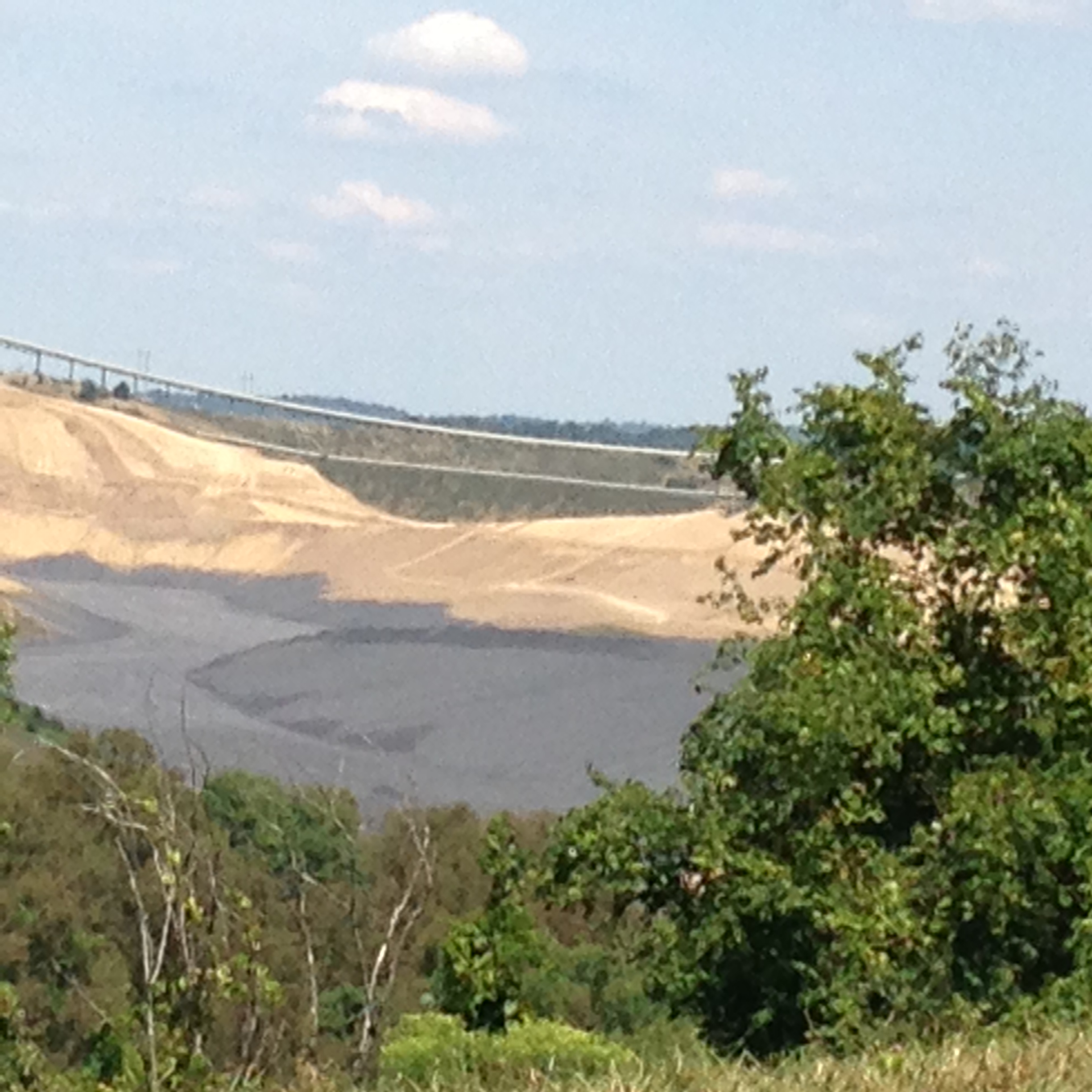
Longwall mining from the Bailey Mine Complex has stamped its mark on the land in Greene County.  People here cling with fatalistic resolve to an industry and a way of life that consumes and destroys the land in its wake, leaving a three thousand acre permanent scar on the green hills, “dewatering” streams and lakes, and displacing communities with Coal Refuse Disposal Areas…formerly verdant valley towns now filled or destined to be filled with rock and coal waste slurry from processing facilities.

Ryerson Station State Park has lost its Duke Lake from mine subsidance that destabilized the dam.

IMG_1887

Now the tributary of Dunkard Creek North Fork that offers trout fishing and a high quality stream habitat in the park is threatened by further permitted longwall mining moving into this area under the park, which is likely to “dewater” the creek.


Preserving natural habitat as well as resources that can support a diversified economy and better quality of life is important in restoring a more resilient and sustainable community.

IMG_1896

A valley across the street from the Coal Refuse Disposal Area

My heart aches for the green hills and for the people and other living creatures tied to this coal mining process by tradition and the accident of birth into an area undermined with seams of fossil deposits. Beautiful green valleys are targetted to be filled with Coal Refuse Disposal Areas.

IMG_1893-1


Coal Refuse Disposal Area #5 of eight covering 2,000 square miles in Richhill Township, PA


As we burn coal to power the present, we are consuming the past and poisoning the future.  We can and must move to a more sustainable energy system.  The transition to a fossil-free energy future must attend to the needs of the communities, workers and people. It must attend to restoring the land.

IMG_1922
IMG_1909 IMG_1918 IMG_1917

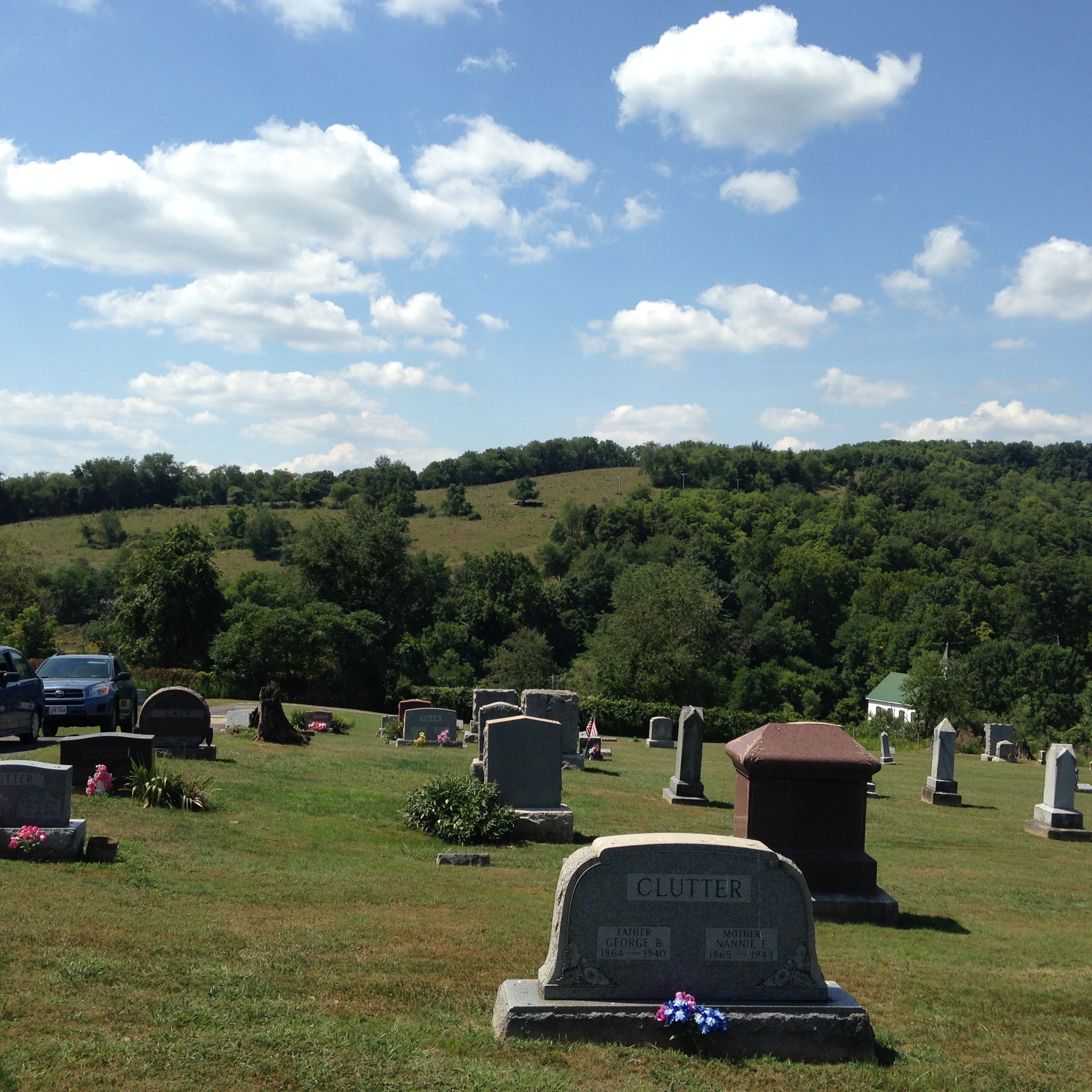
Graves of the people who lived in this valley for years as cattle farmers and dairy farmers in Graysville PA face the hills once farmed and grazed.

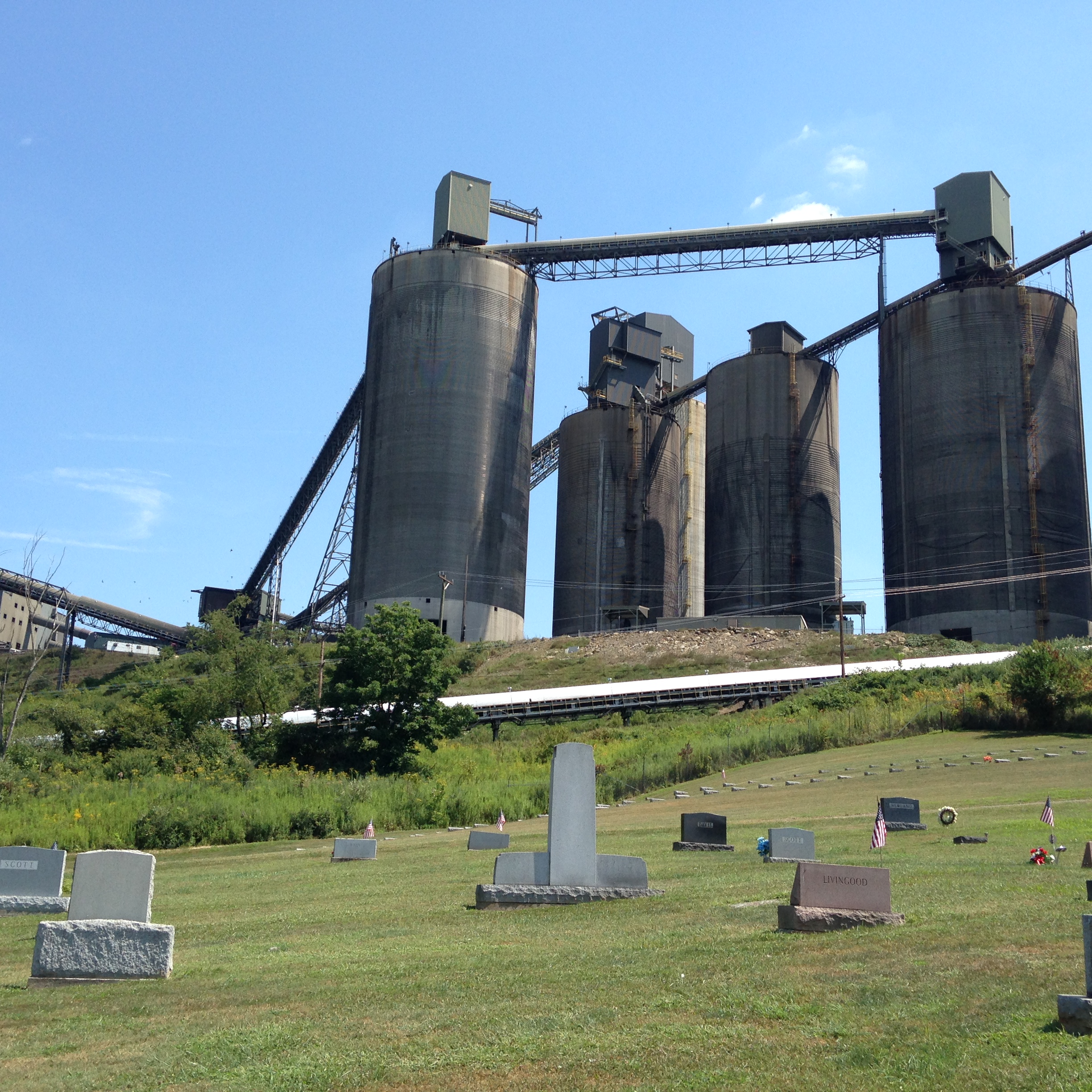
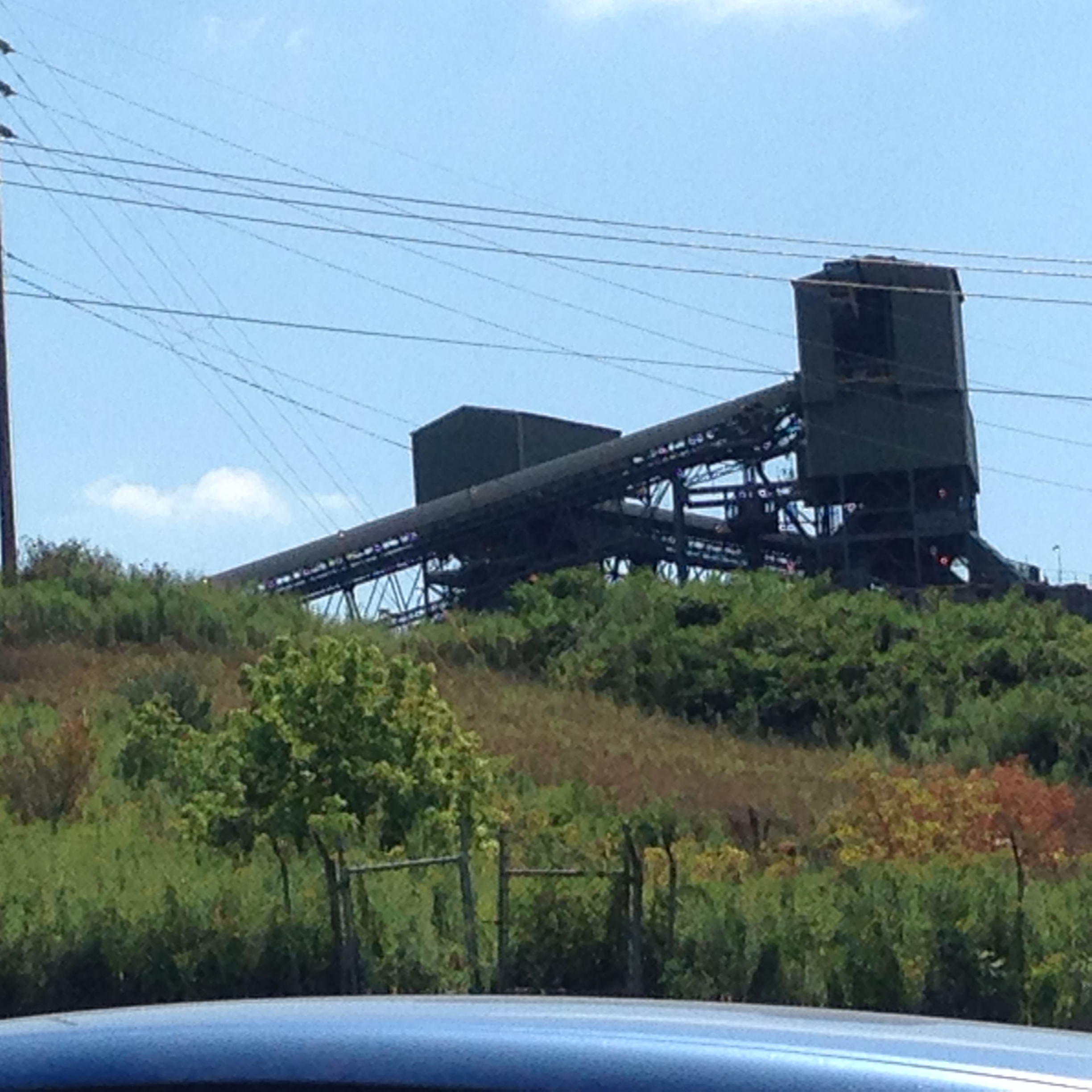
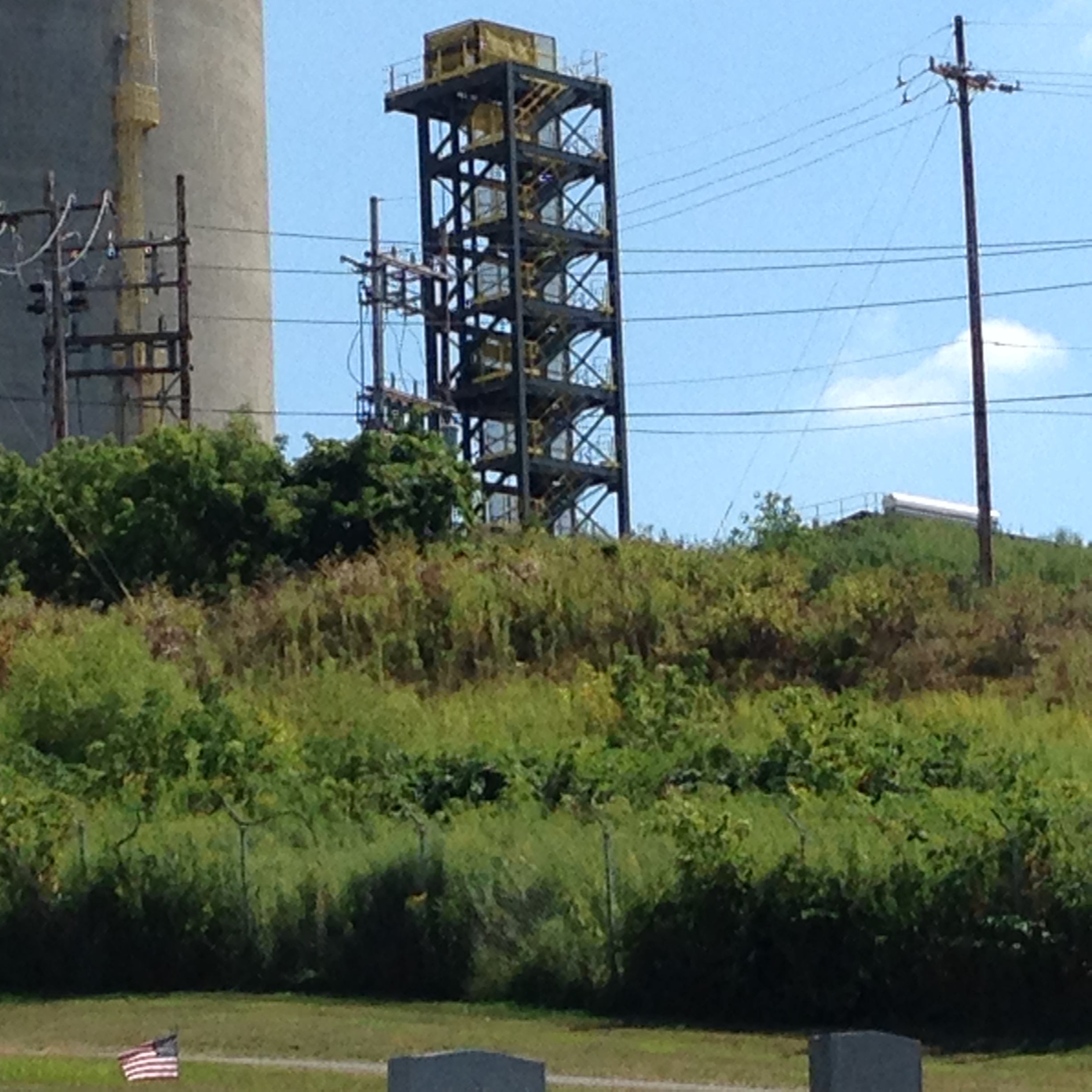
The same graveyard is overshadowed by the Bailey Mine Coal Prep Complex, a 100 square mile operation for the largest longwall mine in the world.
The land and the people here deserve a better fate.
For more information about this issue, see The Center for Coalfield Justice http://coalfieldjustice.org/
(Photos taken by Patricia DeMarco on a field trip with the Allegheny Group of the Sierra Club with the Center for Coalfield Justice on August 15, 2015.)


Leave a comment

It May Be Legal, but It Is Not Right!


Hydraulic Fracturing (fracking) for recovery of fossil reserves of natural gas from deep shale formations proceeds under the National Energy Act of 2005 which granted exemptions from the Safe Drinking Water Act, the Clean Air Act, certain provisions of the Resource Conservation and Recovery Act, and provides proprietary information protection to industry that allows the contents of the fracking fluid to be kept confidential, even from the workers or their physicians.[1] Hydraulic fracturing to develop fossil natural gas reserves is going on in 39 states, including the Marcellus Shale Formation in Western Pennsylvania.

The industry touts this process as safe and clean, and has seduced politicians and landowners with promises of profits and “clean energy” for the future. The Pennsylvania DEP is investigating radioactivity and boron salts in Ten Mile Creek, a tributary of the Monongahela River which supplies drinking water to millions.  Across the country, reports of health effects thought to be attributed to hydraulic fracturing are piling up.

With 9,134 fracking wells developed in Pennsylvania, and 16, 216 permits to drill already granted,[2] the consequences of this heavy industrial activity begin to manifest in sinister ways. As with so many industrial developments, the focus is on the profits and the product not on the waste stream, the by-products or the side effects of the operation. Every state where fracking is occurring faces the environmental and health complications of fracking wastes. We are setting up the conditions for a looming disaster.

There are no provisions in the federal or state laws to protect watersheds, residential areas, schools, community and business centers, or sensitive wildlife or historic and cultural landmarks. Some communities have adopted zoning limitations.[3] The PA Supreme Court has upheld the ability of local communities to require local zoning restrictions on the location and extent of hydraulic fracturing under the provisions of the Pennsylvania Constitution Article 1, Section 27, which takes precedence over State Act 13 restrictions. (Robinson Township vs Commonwealth of Pennsylvania. http://www.pacourts.us/assets/opinions/Supreme/out/J-127A-D-2012oajc.pdf)

All of the processes associated with hydraulic fracturing to extract fossil methane have volatile organic compound air emissions, including benzene, a known carcinogen. Air pollution occurs from leaking valves, spills, evaporation from collection pits or open ponds, and leakage from bore holes.

Wastewater is dealt with in one of several ways, including but not limited to:

  • Disposal by underground injection (Ohio, West Virginia)
  • Treatment followed by disposal to surface water bodies, or
  • Recycling (with or without treatment) for use in future hydraulic fracturing operations.

The water that flows back from the hydraulic fracturing process to the surface with the produced gas contains not only the initially injected fracking fluid but also materials extracted from the shale rock. [4] This includes minerals such as Boron salts and radioactive isotopes of Uranium.

Flowback Water and Produced Water from hydraulic fracturing is classified as a “Special Waste” under EPA regulations, which means this material can be co-mingled with municipal solid wastes, or used for dust control or ice control on highways. The state regulations addressing wastewater management are summarized in this EPA white paper.[5] However, analysis of fracking wastewater in storage pits revealed 400 chemicals that are not in the fracking fluid; 98% of these are listed on the US EPA’s 2005 CERCLA (Superfund) list and 73% are on the 2006 EPCRA List (List of reportable toxic chemicals.)[6] EPA reports that the flowback water and produced water contain minerals, dissolved hydrocarbons, radioactive compounds, and a high level of salinity from salts dissolved from the rock. TENORM radioactive materials are naturally occurring radionuclides that have been concentrated or exposed by human activities such as mining and hydraulic fracturing. It has the potential to cause elevated exposure to radiation.[7]  Are we setting up the “Superfund Sites” of the future?

Treatment and Disposal of the Fracking Waste waters occur in three ways: The material can be stored in open, lined pits to allow hydrocarbons to evaporate (air contamination) then sludge can be de-watered, with the liquid going to a sewage treatment facility and the sludge solids going to landfills; the material can be mixed with municipal solid waste to be disposed in landfills under certain conditions; the material may be spread on construction site or roads for dust control or ice control. That means this material can be distributed, legally, onto the land where it can be washed into the surface water and seep into the groundwater without restriction or treatment.

This process is technically legal, because of the “Haliburton Lophole” exemption, but that means the provisions of the Safe Drinking Water Act, the Clean Air Act and the Resource Conservation and Recovery Act intended to protect the public from harm have been suspended to support this rapacious industry.  In 39 states, the gas extraction industries contaminate the air and water with impunity, and regulators wring their hands and pretend to care.
We MUST change the law.

Senators Casey (D-PA) and Schumer (D-NY), and Representatives DeGette (D-CO), Polis (D-CO) and Hinchey (D-NY) introduced bills in the Senate and House to close the so-called “Halliburton Loophole” in the Safe Drinking Water Act that exempts hydraulic fracturing, and to require the public disclosure of hydraulic fracturing chemicals. The Halliburton loophole authorizes oil and gas drillers, exclusively, to inject known hazardous materials — unchecked — directly into or adjacent to underground drinking water supplies. It passed as part of the Bush Administration’s Energy Policy Act of 2005.

“Energy development needn’t threaten our drinking water and public health — but under the Halliburton loophole, it does,” said John Fenton, a rancher negatively impacted by drilling activity, and member of the Pavillion Area Concerned Citizens in Wyoming.(8) The bill did not pass in either the House or Senate.

It is time to re-assert the proper priorities of our laws.  Citizens have mounted legal challenges to the fracking process, but the law sets this industry above common sense, above prudent practice, and beyond the reach of protections for public health and safety.  Is the almighty dollar really so precious that we can justify compromising the health and safety of workers, children, and future generations?

It is time to rescind the special considerations for an industry that shows no conscience in extracting fossil fuels to the detriment of present and future generations.  Destroying water supplies, introducing contaminants deep underground where they will be moving in unpredictable ways for hundreds of years is not a sound base for our energy policy. We have better choices!

Demand accountability from your elected Senators and Representatives.  Elect Congress Members who care about the PUBLIC INTEREST and are willing to stand up for public health and safety over special considerations for multinational corporations motivated only by instant profits.

Fracking my be legal, but it is not right!

~~~~~~~~~~~~~~~~~~~~~~~~~~~~~~~~~~~~~~~~~~

SOURCES
[1] Otton, J.K,, 2006, Environmental aspects of produced-water salt releases in onshore and estuarine petroleum-producing areas of the United States- a bibliography: U.S. Geological Survey Open-File report 2006-1154, 223p.
[2] Patrick M. Kelly, P.E. Environmental Engineer Office of Resource Conservation and Recovery. Review of State Oil and Natural Gas Exploration, Development, and Production (E&P) Solid Waste Management Regulations. EPA File Memorandum, April 1, 2014. http://www.epa.gov/osw///nonhaz/industrial/special/oil/state_summaries_040114.pdf
 [3] Theo Colborn, Carol Kwiatkowski, Kim Schultz, Mary Bachran. “Natural Gas Operations from a Public Health Perspective.” Human and Ecological Risk Assessment: An International Journal. Vol 17, No. 5. Pages 1048-1049. September 20, 2011.
[4] http://www.epa.gov/radiation/tenorm/about.html
[5] (This study provides a comprehensive analysis of the exemptions and limitations, with citations to the authorizing legislation.) Renee Lewis Kosnik, MSEL, JD. The Oil and Gas Industry’s Exclusions and Exemptions to Major Environmental Statutes. Oil and Gas Accountability Project. Earthworks. © October 2007 Oil & Gas Accountability Project OGAP P.O. Box 1102 ■ Durango, CO 81302 ■ http://www.ogap.org
Earthworks 1612 K St. N.W., #808 ■ Washington DC 20006 http://www.earthworksaction.org
[6] Frack Tracker. Year to date data as of May 1, 2015. http://www.fractracker.org/map/us/pennsylvania/ Accessed June 19, 2015.

Report and analysis of West Virginia Landfill Disposal of Fracking Waste http://www.fractracker.org/2015/08/landfill-disposal-wv-waste/

[7] City of Pittsburgh Hydraulic Fracturing zoning ordinance. Ordinance supplementing the Pittsburgh Code, Title Six, Conduct, Article 1 “Regulated Rights and actions,” by adding Chapter 619: Ordinance supplementing the Pittsburgh Code, Title Six, Conduct, Article 1 “Regulated Rights and actions,” by adding Chapter 619 entitled “Toxic Trespass Resulting from Unconventional Natural Gas Drilling.”
(8) – See more at: https://www.earthworksaction.org/media/detail/senators_representatives_act_to_close_halliburton_loophole_in_the_safe_drin#sthash.WUm3rKkK.dpuf


Leave a comment

In Memory of Our Citizen-Soldiers

On this Memorial Day I think about the citizen soldiers of World War II, my Father especially, and the way being in the war shaped and changed his life. I was named for his last mission, PAT, one which left many of his people dead on the field. I know he mourned his men to the end of his days. I stand in awe and with respect to those who do what is not in their own nature for what they believe to be a higher cause. Those who fight for country and cause make a selfless sacrifice, whether they return from battle or not. In my time, I hope we can progress to more civilized negotiated resolutions to disputes.

As the conditions of our habitat become increasingly stressed, I hope we can see beyond the instinct to fight and conquer and seek resolution through collaboration, cooperation and negotiated solutions to the underlying problems. Moving to a fossil free economy and ceasing the poisoning of our life support system is our way forward. Building community wealth rather than corporate profits is the way forward. Respecting and preserving life in all its wondrous forms is the way forward.

To those who fought for freedom, I stand in respect. To those enjoying the fruits of that sacrifice, remember that freedom entails responsibility. Democracy is not a spectator sport. get involved with the governance of your town, your state, your nation. Hold those who represent you responsible for their actions.

You can read an account of the PAT Mission here:  http://www.ossreborn.com/files/OG_PAT_A_Fresh_LookPhotos1.pdf
5-25-2015


Leave a comment

Democracy is Not a Spectator Sport

May has arrived with a burst of blooming trees and borders, the return of summer birds and lawn signs touting candidates for the spring primaries.  While the latest round of community protest and violence unfolds in real time on television, people sit and make comments either cynical, sympathetic or outraged, depending on their own perspectives. We witness another symptom of society in distress, another plea for help.

I reflect on the differences between today’s protests and unrest and those of the late 1960s.  There are two observations that concern me here.  First, the challenge to authority is specific,not general, precipitated by specific confrontations between an individual and police. Second, the protests have no specific focus or call for action, no equal rights, war protest, environmental protection themes.  The eruption of community outrage and protest we see today marks the call for attention to communities where the advantages of modern time have not penetrated.  Major employers that offer entry level jobs with a career path to promotion are scarce, often leaving the rusting hulks of closed factories as reminders of former days. The communities are isolated physically and culturally from the mainstream of the wider society.  With unemployment in double digits from 14% to 25%, drug trade and other forms of desperation abound, education and public amenities like parks, youth programs, elder care, even basic things like grocery stores and shops are scarce or below par. More resources for policing do not solve such problems. The protests in Ferguson and Baltimore call out for basic human respect, for recognition, for attention and help.

It is not okay anywhere in America for children to have poorly equipped and staffed schools.  It is not okay anywhere in America for children to go hungry. It is not okay anywhere in America for people to see no way out of poverty.  When our priorities place the wealth of corporations over the basic needs of people we are seeding the revolt of the oppressed.

A representative democracy requires the participation of all the people.  Organized protests on behalf of voter registration drives, and calls for elected officials to respond to the actual needs of people can be effective.  Government spending to rebuild the infrastructure of former manufacturing neighborhoods and training the people who live there to do the work would be helpful.  Empowering people to take initiative requires some investment of money as well as social capital.  People need to care about each other and restore a sense of common purpose.

This process can work when people care, receive support, and positive reinforcement.  I take for example the rebirth of the Hill District in Pittsburgh.  It has become a vibrant place full of cultural wealth from the Kingsley Center to the UJAMAA2011+group+shot Collective. (See here some of the Sisters of the Ujamaa Collective visit at http://www.ujamaacollective.org/our-story/)

A restoration based on entrepreneurship and joint action, with urban farming and local investment now graces this area. Supportive policies from the City of Pittsburgh in zoning and community development policies help.  People have to care about each other, and make change a priority.

Democracy is not a spectator sport.  Democracy requires accountability of those who are in power.  Democracy requires taking responsibility for your own actions.  Democracy requires respect for all members of the society.  Democracy requires caring for those who need help, especially children, the elderly, and those who are disabled or ill.  Democracy requires that citizens vote, and hold their elected officials accountable.

In this primary election season, we see in the news the bantering and jousting of the Presidential hopefuls.  But, in every town, every county and borough and state across this country people are stepping out to run for local office.  Many of them stand unopposed.  Look around you, and if you do not like what you see, stand up and speak out.  Local communities have the most direct control of what happens in their own borders.  If you do not like what you see, you have the power to stand up and speak out to make it better.

Democracy is NOT a spectator sport. A government of the people, by the people and for the people requires that the people participate in their own governance.  Get involved, and make the change you want to see happen.  Do what you can with what you have where you are.

I am running for Forest Hills Borough Council in my own town to help build a community that thrives in harmony with nature – equitable, robust, and beautiful. You can do it too.


1 Comment

Down to the Roots- Earth Day 2015

Earth Day is a good time to think about roots. Roots of the plants and trees now shooting forth leaves and flowers, soon vegetables and fruits, and roots of the Earth Day movement. Forty-five years ago the first Earth Day gathered 20 million people from all kinds of causes to call for a stop to the flagrant destruction of our environment.  Everyone from nuclear bomb and air pollution opponents, to civil rights activists, anti-war activists, women’s rights and GLBT rights advocates, and workers rights advocates came together to protect clean air and clean water.  It was a rare moment of unity of purpose, exhilarating, and fresh, and hopeful.

The plethora of foundational environmental protection laws passed during the decade from 1970 to 1980 set a course for the regulatory battles we face today.  Those early efforts to curtail the unrestrained extraction and use of resources without regard for the natural resources put corks in the smokestacks, stoppers in the emission pipes, liners in the landfills and established elaborate permit processes.  Today, the EPA Toxic Release Inventory reveals that over 5.2 billion tons per year of toxic materials are released into the air, water and land legally, by permit.

This Earth Day in the second decade of the 21st century, it is time to go down to the roots, to the sources and causes of our pollution habits. We need to look at the problem from a different direction.  My clearest enlightenment on this process came from Eric Beckman, a green chemist who uses bio-mimicry to create non-toxic medical products.  We were on a panel talking about how people can use greener approaches to home and garden care, and he rejoined to a person who was recommending a switch to an electric lawn mower from a gas powered one: “You are just buying your way to pollution in a different place, the coal plant that powers your electric mower instead of the gas you burn on site. The truly “green” solution is to plant lawn that requires no mowing, perennials that only grow a few inches high in the first place!”  The root of the problem of emissions from power plants, factories, chemical production, farming comes from re-thinking the process to prevent the pollution at the source.

This is the exciting challenge of our time: to prevent pollution at the source.  That means to generate the energy we need from renewable resources and from non-combustion technologies such as fuel cells so we can stop burning fossil fuels.  It means shifting our food production system away from mass mono-cultures that require tons of fertilizer, herbicide, pesticide and a treadmill of increasingly toxic products to stay ahead of pests. We can adopt organic and locally adapted sustainable agriculture practices that restore and regenerate fertile ground, protect watersheds and add biodiversity to our agricultural landscapes.  It means we design products to be safe, not diluted toxics.  It means we design things to be re-used, re-purposed or reclaimed instead of turning from hot new item to trash within two years, or less.

We see today all around us the signs of stress from our living earth.  Our early assumptions that the sky was so wide, the ocean so deep and the land so endless that people could not possibly affect it have proven to be false.  We see measurable changes in the composition of our atmosphere, in the acidity of the oceans, and in the fertility of the ground.  Drought, extremes of flood and storms present us with the unintended consequences of 200 years of civilization based on extractive industries.  We must now shift to replenishing and regenerative industry to move our economy to a state of equilibrium with nature.  We can enjoy the condistock-photo-22932947-small-maple-tree-with-rootstions of abundance and robust resilience evident in any balanced ecosystem.  Just as the roots of a two year old maple sapling extend  more than a foot below ground, branching and thrusting intimately into the soil, we have many branches and opportunities for exploration into the new roots of our economy. We can take this Earth Day as a starting point for living in harmony with nature, according to Nature’s laws.

Plant a tree and care for it. The Earth will thank you.


Leave a comment

Celebrating the Beauty of the Earth

On this Easter morning, I sit at the edge of my garden, still a bit chilly, but in bright sun filtering through the shrubbery.  The birds busily feed in pairs preparing for the soon arduous task of caring for their brood of chicks.  I note the return of the banded robins, and see that the winter residents are busy establishing their nest sites too.  I saw a rufous towhee scratching around noisily in the leaf litter yesterday.  He will not stay, but continue into a more forested area for the summer.I note the swelling buds of trees and bushes, and watch expectantly for the leaves and flowers that soon will enclose my garden from view.

The marvel of the bounty of Nature never ceases to amaze me.  I worry about the changes in the patterns of distribution of water, and the alterations in the ecosystems that come with such a fundamental shift.  In this temperate climate, sheltered by mountains and buffered by rivers at the edge of the great Mississippi drainage, lies some of the most fertile land in the world.  Yet, we sit at the nexus of a crisis, with sewage and storm water management compromising our water supply for drinking, and fossil gas extraction by hydraulic fracturing threatening farm land all across this rich area.

On this bright Spring morning, it seems so obvious that we must study the ways of the natural systems whose abundance and stability surround us.  Our life support system of the Earth  provides oxygen rich air, fresh water and fertile ground sustained by the co-evolved myriad of living things that form the web of life.  We need to understand our place as one part of this delicate, complex, but strong and resilient system.  Our hubris in believing we are the dominant species on earth and therefore the most wise and in charge will be our doom.

On this Easter day, more than most other days, when so many people flock to places of worship to One who is believed to have created the universe, I seek the Cathedral of the Trees, and the ministry of the songbirds. In humility and with great awe, I contemplate the wisdom of ages embodied in the minute workings of the web of life as it thrums through me and around me in this quiet garden.

The laws of Nature are not negotiable. Our place is to understand how to thrive within them, not to suppress them.


2 Comments

Moving Targets – A Reflection From A Century Passing

OLYMPUS DIGITAL CAMERAArt uniquely captures the complex responses surrounding the fact of extinction. Moving Targets juxtaposes the unintended extinction of the Passenger pigeon with the forced migration of Jews from Eastern Europe. These two interwoven stories show how fragile life is, for the abundant creatures of Nature, and ultimately, for humans as well.

The beautiful Passenger pigeon, with its iridescent feathers and graceful form, assembled in enormous flocks for annual gatherings to mate and raise their young. When the European colonists arrived on the American continent, half of the land was covered with thick and diverse forests from coast to coast, with lush prairie in the middle. The Passenger pigeon flocks of three to five billion individuals coursed from north to south, swooping across the country, feasting on nuts and berries. The habitat was so abundant and diverse that a decade would elapse between visits. The birds’ challenges began with the settlers clearing forests for farmland, housing, and timber masts for the British navy. Between 1620 and 1920, the forested area fell from 50% to less than 5%, and 53% of wetlands were converted to other uses.[i] This massive loss of habitat affected the food supply, and the migratory circuit of the Passenger pigeons.

The second most devastating challenge, was the ease of taking the birds for food. Their massive numbers gave protection against severe depletion by normal predators, so they did not have a well- developed instinct to fly from danger. From colonial times through the late 1800s, Passenger pigeons were hunted relentlessly to feed the growing population centers of the East coast. Birds were a cheap source of protein, selling at about a penny a bird, and enjoyed as “pigeon pie.” Once the railroads developed the capacity to ship birds across the country, millions were salted and shipped in barrels. The town of Plattsburg, New York, is estimated to have shipped 1.8 million pigeons to larger cities in 1851 alone, at a price of 31 to 56 cents a dozen.[ii] The birds’ reproductive patterns offered no defense against the unrelenting slaughter. Each pair produced a single squab, nesting at most twice in a season. Successful breeding depended upon large communal gatherings in nest sites that might cover 850 acres. In smaller groupings, as the numbers of birds began to decline in the 1860’s, reproductive success was less likely.

When conservationists sounded alarms in the late 1860’s, the laws passed were weak, unenforceable, and mostly ignored. Passenger pigeons declined slowly from 1800 to 1850, accelerating in the last part of the century until the demise became irreversible. In the early 1900’s attempts to breed them in captivity were unsuccessful. The last Passenger pigeon, named “Martha,” died in the Cincinnati zoo on September 1, 1914. Her passing marked our heedless extinction of one of Earth’s beautiful, abundant creatures. President Theodore Roosevelt took initiatives to preserve some wild places. At a Conference of Governors in 1908, he said, “The natural resources of our country are in danger of exhaustion.” This meeting was described by Gifford Pinchot as a “turning point in human history” which led to establishing the National Conservation Commission and the first inventory of the nation’s natural resources.[iii]

Laws to preserve wilderness and natural resources were hard-won, even modern efforts face opposition from business interests in mining and resource extraction, housing and agriculture. Globally we see massive destruction of natural habitat. The United Nations Environment Programme report on Global Biodiversity estimates that one third of the land has been compromised or destroyed by infrastructure, one third has been fragmented or disturbed, and one third afflicted with pollution and invasive species. No place on Earth is free from human impact. Some of the pollution that encompasses the entire earth affects reproductive success. Many of the chemical pollutants found in each of our bodies are known to cause cancer, birth defects, mutations and decline in fertility of humans.[iv]

Have we begun the accelerating decline from billions to few? How much of the living Earth can we destroy before we find ourselves on a planet inhospitable to life as we know it? The story of the Passenger pigeon gives us a chance to ask these questions, with the knowledge that even the most abundant of nature’s creatures falls to massive assault on habitat and reproductive stability. We can take this lesson of the Passenger pigeon: market forces alone will not solve a crisis. Concerned people raising their voices and standing together can change the course of history. The economic expediency and greed of the Passenger pigeon hunters assured their extinction. Refusing to address our own fossil fuel combustion habit, knowing that it is irreversibly compromising our atmosphere, may be setting the stage for ours.

“Martha” can symbolize the clarion call to change. We can take actions that preserve the living earth if we realign our priorities and values to favor the resilience of the human spirit, the community of caring, the sense of wonder in nature. These values, beyond mere economic measures, make us truly human. These are the characteristics that helped people survive the unspeakable horrors of the Holocaust. The stories of survivors, global migrants in their passage, can inspire us in the face of disaster. We can place priority on the pursuit of knowledge, art and wisdom, the time spent in friendships and community, and the appreciation of the beauty of the natural world. If we value the quality of all of our lives over the quantity of our treasuries, we will preserve our life support system for our children – fresh air, clean water, fertile ground and the biodiversity of species with whom we are interconnected as passengers through time on this planet Earth.

See http://atrart.net/moving-targets/ for a description of the Moving Targets project.

[i] Status and Trends of the Nation’s Biological Resources.
Land Use. Vol 1. Page 38. http://www.nwrc.usgs.gov
[ii] Schorger, A.W. (1955). The Passenger Pigeon: Its Natural History and Extinction. Madison, WI: University of Wisconsin Press. Page 145. .ISBN 1-930665-96-2.
[iii] Kevin Hillstrom. 2010. U.S.Environmental Policy and Politics: A Documentary History. “President Roosevelt’s Address at a Conservation Conference of Governors May 13, 1908.” CQ Press. Washington D.C. Page 187.
[iv] Linda Birnbaum, Ph.D., DABT, ATS. Director, National Institute of Environmental Health Sciences, National Institutes of Health, and Director, National Toxicology Program U.S. Department of Health and Human Services. “Testimony Before the Subcommittee on Superfund, Toxics and Environmental Health Committee on Environment and Public Works United States Senate.” February 4, 2010. http://www.epw.senate.gov/ Accessed March 10, 2015.