
by Patricia DeMarco
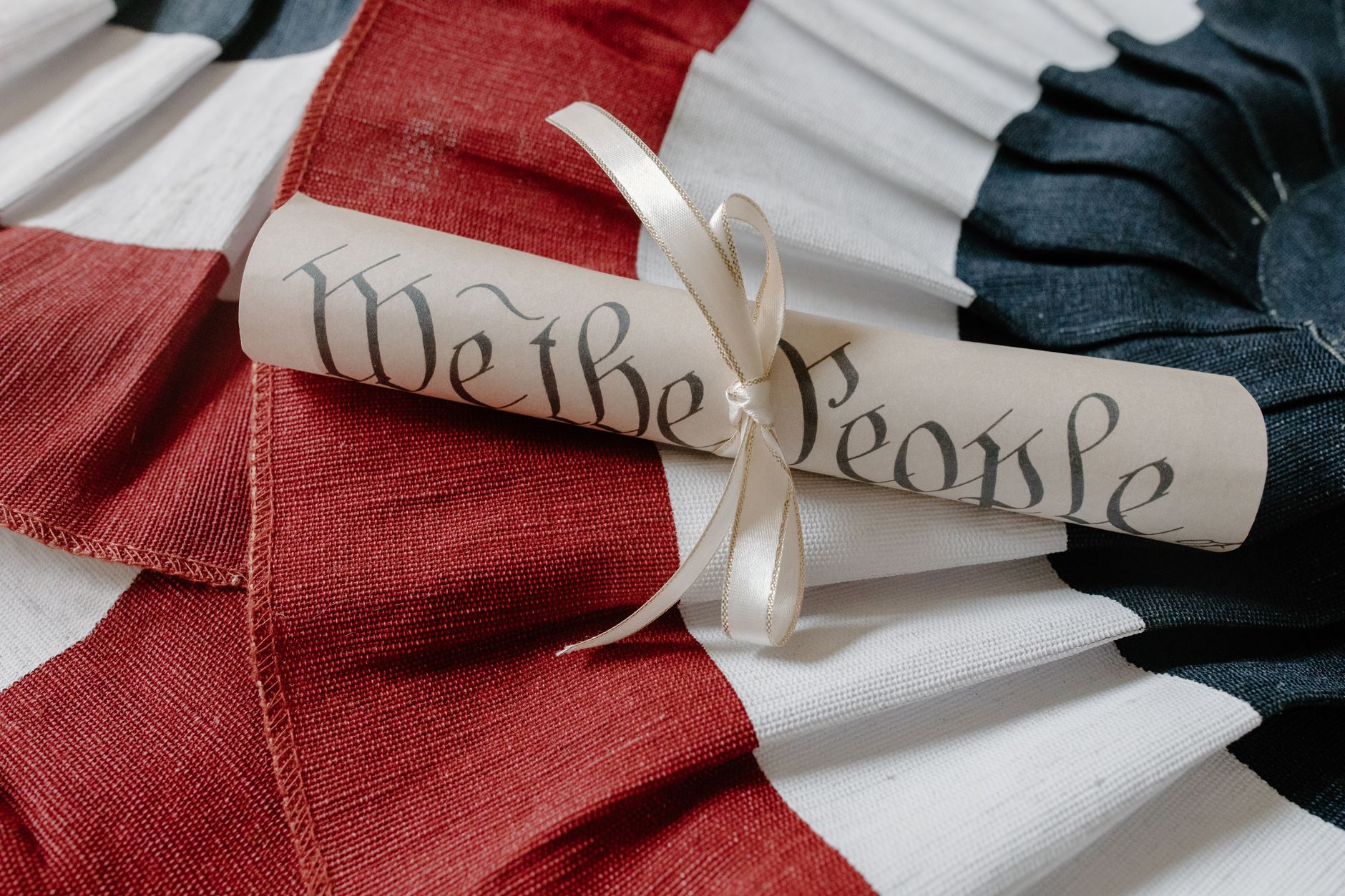
July 4, 2026 marks the 250th anniversary of the Declaration of Independence of the American colonies from the government of England. People across the country gather in their small towns and big cities to celebrate the government of the people, by the people and for the people established in defiance of the monarchies of Europe. America presented the audacious proposition of liberty and justice for all, and that the people consent to be governed by the rule of law applied equally. Lofty goals retained as an ideal, through wars and through economic, political, and cultural challenges. The vision of America as the land of the free and home of the brave shimmers as a mirage, sometimes clear, sometimes dimmed to abstraction. Under all the rhetoric lies the land itself whose resources and geography have protected and provided for human civilization for thousands of years before the first explorers ever set foot on this continent.
Today we mark a quarter of a millennium, a blink in the arc of time. It is a good time to recognize the fragility of this enterprise in democracy. Recognize that we depend on the land itself for our sustenance, our wealth and for our future survival. From colonial times forward, American enterprise has built on extracting the wealth of resources from the land, with little consideration for renewing or sustaining those resources over time. Vast forests of the east coast were felled as ship masts for the British Navy. What the colonists saw as untouched land as far as the eye could see and beyond was in fact a carefully curated landscape of permaculture stewarded by Indigenous Peoples who had thrived in populations of millions for thousands of years before. For example, the symbiosis of chestnut trees and passenger pigeons that sustained both the landscape and communities for hundreds of years was rendered extinct in a decade as settlers cast nets over the trees full of nesting birds, and harvested them by the thousands, leaving too few to survive future breeding cycles.
We look back to the industrialization of this country driven by the abundance of land, then coal, oil and natural gas to become a power house among nations. Steel, petrochemicals; technology for tall buildings, communication and transportation; vast agricultural expanses that feed the world, advances in medicine and science supported by public education and government investment in research and innovation. America became a beacon for the world.
Yet, we almost all came here as immigrants, whether in colonial times or in the various waves of people who fled strife and distress from other countries. The workers met in the mills and fields, factories and market places to pursue the great American Dream of a better life for their children. This vision of working hard, often with great sacrifice, to make a better way for the next generation is as truly part of what makes America as any amount of patriotic music and polemic. That ideal that anyone can come to this land of opportunity and make a good life for our children drives people to come here even in modern times.
This constant infusion of cultures, languages, foods and customs helped to shape the America where innovation thrives, and dreams come true. Often called a “Melting Pot” the immigrants, embraced the values of shared allegiance to the ideals of freedom- liberty and justice for all. But under the gloss of the ideal simmer the divisions that rose up, often with violence as in the Civil War, and in the charade of freedom for those enslaved and eventually liberated with great struggle. Under the scrim of a just and equitable society the latent racism lurks, empowered now more visibly by the rhetoric emanating from the 2026 White House. This is the caution we must face as we look ahead to the next phase of our America. Freedom is not free, and democracy has no guarantee. It depends on vigilance and engagement. Citizens must stand up to the rhetoric and actions of hate and suppression as they creep relentlessly into the trappings of government. Freedoms hard won are swept away with a casual order, upheld by a hand-picked court. We who see the promise and wonder of America as an ideal for liberty and justice for ALL must call the government to account. We must uphold the values of the inherent dignity of every person. We must stand for the role of government in providing for the health and well-being of all citizens. Laws that enrich the few at the expense of the many suppress the very heart of what makes America.
It is not OK in America for children to go hungry. It is not OK in America for people to go bankrupt over health care costs, or to suffer for unavailable services. It is not OK in America for people to find housing and basic necessities beyond reach on a minimum wage. Sacrifice zones are not OK. Allowing public land to be squandered for private profit is a betrayal of our birthright. Undermining science and limiting education guarantees a poorer and more deprived future. Enriching and protecting the few wealthiest individuals and corporations at the expense of the many is not OK in America. It is time for a reckoning and a reset.
Under all is the land. Land that bears the scars of our extractive industrial period. As we look toward a future that can be sustained for another 100 years, even to think of another 1,000 years, we would be wise to look at the ways of the Indigenous Peoples whose concepts of living in harmony with nature stand as a model for surviving and thriving in this place. As Thomas Jefferson took the concept of a government of individual states under a unified governance as a model of our Constitution, we can look to the nurture of the land as a way forward. Plan for seven generations forward considering the needs of those yet unborn whose fate we determine by the decisions we make today.
Healing the land and empowering the people will rebuild a community resilient in diversity, strong in character and enlightened in understanding our place in the world. Governing toward a shared prosperity that builds the resilience and abundance of the natural world is part of our American Dream. Shift from the extractive and unsustainable patterns of the last 100 years and embrace the commitment to regenerative practices that build a shared prosperity. Reinvesting in communities depleted by the extractive industries of the Industrial Revolution can reclaim the wealth of the land, re-employ the skilled workers and restore the shared prosperity of a region rich in culture and pride.
No technological breakthroughs are necessary for this new economy to operate building a prosperity that can last without the boom/bust cycles of depleting extractive industries. We can muster the political will to make the necessary changes in policy and practice to support a new economy for the 21st century. The true wealth of America lies in the land that supports us. Not the fossil resources buried deep within the crust of the Earth, but the living earth, the fertile ground that gives life to our planet through binding essential elements to create food, fiber, fuel, and oxygen. When we restore the land and empower the people, we set the foundation for a long-lasting prosperity for all of our citizens.
Fly the American flag for Fourth of July. Remember that freedom is not free, but earned through the sacrifice of many people over the years. The right to freedom also holds responsibility to be an engaged citizen. Follow the actions of those who represent you at the federal, state and local levels of government. Know where your representatives stand on issues you care about, and hold them accountable for their actions in office. Exercise your right and obligation to vote in every election. Your vote is your voice. The ideal of America stands before us as a goal. It is up to all of us to reach it in practice.

