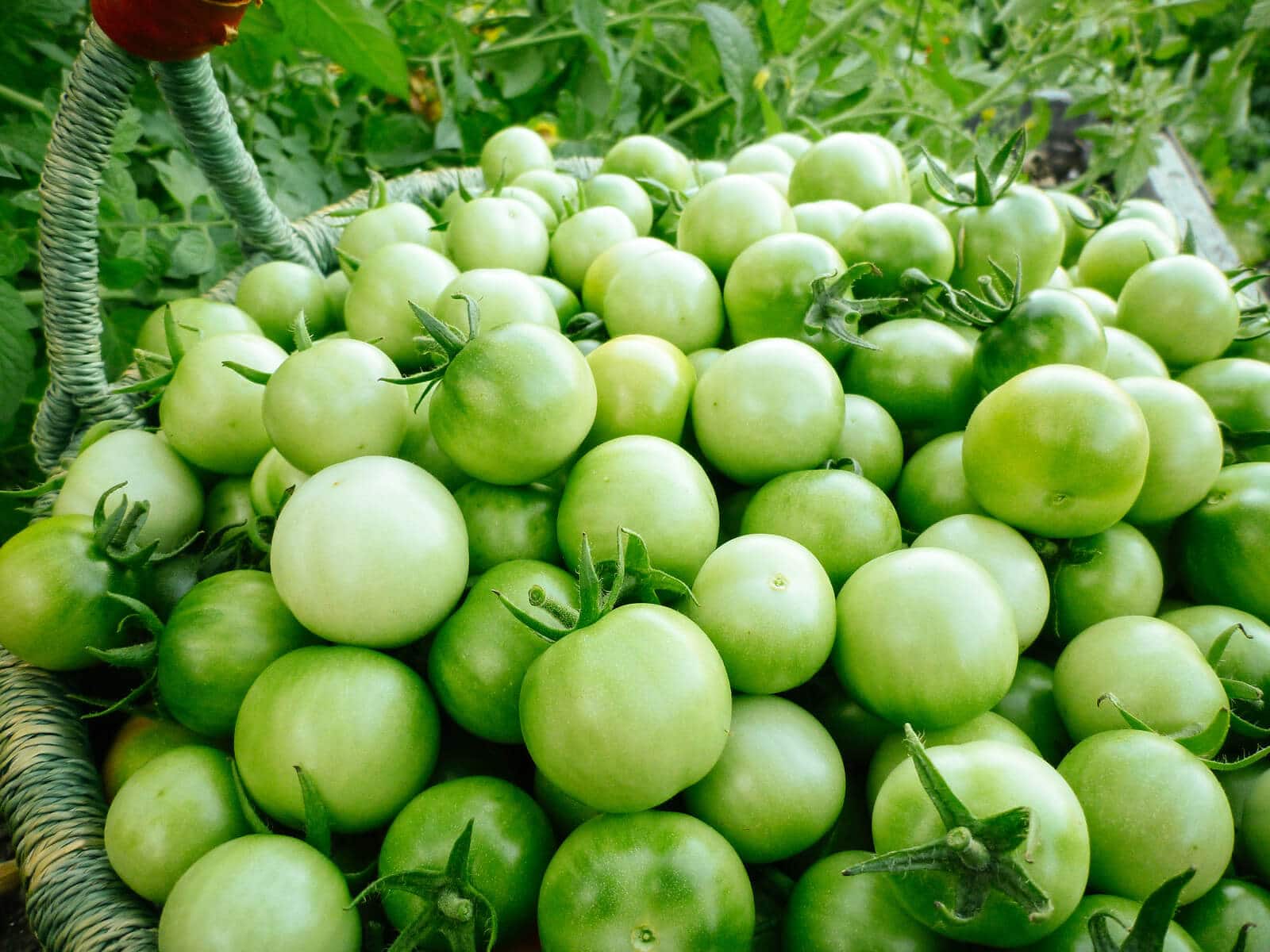
October brings the wonderful abundance of harvests. As the crops come to ripeness, markets overflow with pumpkins, grapes, root crops and vegetables like cabbage, brussels sprouts, broccoli and eggplant. It is a season of abundance drawing attention to the fortuitous conditions we find in Western Pennsylvania for nurturing crops and people. A return to practices that restore fertile ground proliferates through community gardens, local Community Supported Agriculture operations and local farms that come to Farmers Markets throughout our region.
People have been challenged to seek food sources they trust to be safe, wholesome and supporting healthier eating patterns. The scare of (Clystridia) on lettuce really challenged the confidence in purchasing convenience healthy foods like “salad in a bag.” The growing awareness of the transfer of plastic contamination into food from packaging, processing and cooking has created demand for home food preservation and home cooking. It is exciting to see a whole new generation of young people learning how to cook from scratch, explore canning and preserving practices, and looking for new ways to assure safe and wholesome food practices. The unintended consequences of convenience foods, pre-prepared foods, and fast food begin to accumulate in our culture and are now creating a backlash. Traditional ways of our grandmothers hold appeal beyond nostalgia. Thrifty, safe, and tasty food never goes out of style.
As we look toward preparations for winter, the prospect of heavier storms due to the El Niño effect looms with an unknown level of increased threat of power outages and supply disruptions. Food security takes on a whole new dimension as we think about what happens when the power goes out. Unless your house has a total backup generation system, a power outage of 36 hours or longer can mean loss of the contents of the refrigerator and freezer. Planning can help avoid huge losses and help with keeping a food supply that can be managed through an extended power outage.
If the winter is cold enough, transfer the contents of the freezer and refrigerator into insulated coolers that can be kept in the garage or a sheltered place to stay cold or frozen until needed. For cooking, if your stove does not work without electricity, a camp stove that runs on bottled propane or even a charcoal grill can serve as a cooking station. For things that would spoil if not cooked at once, possibly join with neighbors and make a large vat of soup, spaghetti sauce, chili or stew to share. It is better to share than to throw food out from spoiling. Coordinate with a neighborhood plan in advance of a crisis. Neighbors helping neighbors can be an important part of a resilience plan. See “Are you Ready? An In-depth Guide to Citizen Preparedness.” https://www.ready.gov/sites/default/files/2021-11/are-you-ready-guide.pdf
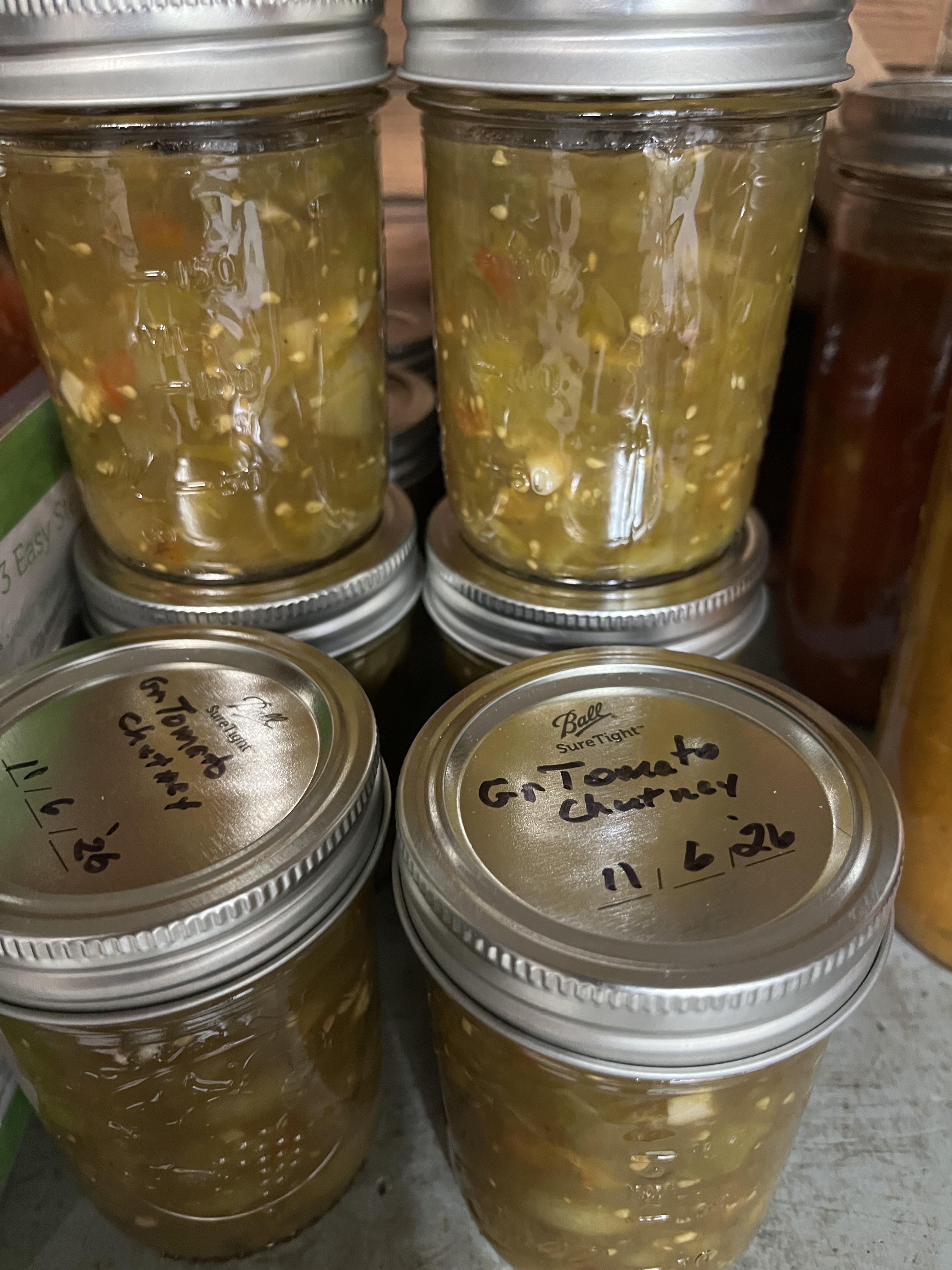
In the season of ripeness, think about “putting by” for the winter as a process that goes on throughout the summer. One benefit of canning and preserving food is that foods put up in jars do not need to be refrigerated or frozen to keep safely. Invest in a pressure cooker to use for processing low acid foods. For reliable information, The US Department of Agriculture has good information for beginners and experts. https://www.nal.usda.gov/exhibits/ipd/canning/items/show/101 The Joy of Cooking remans a standard choice. Also, the makers of Ball Mason Jars https://www.ballmasonjars.com/canning-preserving-guides.html include directions and recipes.
We commemorate Memorial Day on the last Monday in May, honoring all of those fallen in wars from the Civil War until now. It is a solemn occasion to mark the service of those who have given their lives in the name of our country. The causes and outcomes have varied over the years, with some more strikingly clear than others. But as a constant lies the dedication and support of the families of soldiers; the solidarity of those who share the experience of combat in arms; and the grief of loved ones for the loss of youth and promise.
The “war of choice” in Iran engaging us now has disrupted commerce and challenged the concept of trust in our leaders to weigh the value of lives carefully.[i] We mere citizens have little influence over the powers that wage wars, but we do experience the personal losses of family and friends; and communities see the impact as resources shift from domestic to military support. As military disruptions affect the international flow of petrochemicals, we see clearly how dependent we have become on this resource in all aspects of our lives. Especially in the food system.
The Straits of Hormuz closing has restricted movement for critical materials disrupting the flow of about 20% of global oil supply.[ii] Fertilizers, pesticides, herbicides and packaging in the food industry all come from petrochemical industry. So does the fuel that runs the machinery and processing equipment for cultivating and harvesting, and fuel for transporting food from the growing areas to stores and homes. As with many other systems, the use of petrochemicals (oil and natural gas) has been a driver in their growth and development to major international industries.[iii]Now the war in Iran has put a spotlight on what it means to move away from the fossil fuel base for our basic needs for energy, food and transportation. This wartime experience has sharpened the points of need for alternatives based on non-fossil fueled, sustainable systems. It took decades for the industrial revolution to create the conditions of dependence on extractive resources we experience today, but it need not take decades to shift to a more sustainable system. The building blocks are in place already.
The Victory Garden and Domestic food initiatives of the WWII era have many parallels with the sustainable food initiatives of today.[iv] Even though the motivation for the gardens differs somewhat, using local foods, and how we prepare and acquire food for economy, health and public purpose have strong parallels. Rachel Carson compiled recipes for using domestic fishes in all regions of the United States as part of this effort.[v] Efforts to compensate for such things as sugar and butter rationing suggest approaches that can help with healthier eating habits today. Likewise, processes for preserving food for Winter have seen major advances in technology, with dehydration for example.[vi] But the concept of putting food by for year – round use stands as a long tradition to the oldest recorded history of human civilization.
This year, we face food supply constraints not only from war blockades of supply chains but also from the side effects of climate events. In Georgia wildfires have delayed planting times.[vii] In the Midwest, drought lingers, and in the agricultural areas served by the Colorado River, water restrictions loom.[viii][ix] Conflicting demands between industrial uses and domestic and agricultural needs are growing. The erratic swings in climate conditions makes reliable agricultural production even more of a challenge than it has been traditionally.
Acquiring local foods, preserving seasonal foods and practicing economy and health in what we eat are standards of food culture available to everyone. The women of WWII tended Victory Gardens as part of a war effort, displacing commercial food so production could feed the Armed Forces and Allies. An estimated 8 to 10 billion pounds of food were grown in victory gardens and from other domestic food sources, releasing commercial production for military use.[x]
Modern Home -Grown initiatives look toward reducing the carbon footprint of the food chain by using locally sourced food and using regenerative agriculture practices for healthier eating.[xi] The Rodale Institute has documented that global adoption of regenerative practices across both grasslands and arable acreage could sequester more than 100% of current anthropogenic emissions of CO2 and that stable soil carbon can be built quickly enough to result in a rapid drawdown of atmospheric carbon dioxide.[xii] Restoring fertile ground through regenerative agriculture is an effective tool for capturing carbon dioxide from the air and binding it in soils. That means growing food with natural fertilizers like compost that stores carbon and increases soil fertility. It means having food produced without pesticides and herbicides that can leave residues in food. It means less petrochemicals used for transportation fuel, packaging, and refrigeration. Even displacing a little food purchased can save much in energy use and food waste.
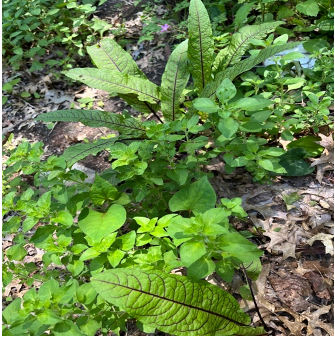
The Climate Victory Garden is a new initiative that contributes to the resilience and sustainability of our food supplies in uncertain times. You can see all the Climate Victory Gardens and register yours here https://greenamerica.org/climate-victory-gardens
You can also support your community farmers by buying fresh produce at local Farmers Markets or participating in Community Supported Agriculture in your area. Summertime is planting time. Harvesting foods as they are ready and appreciating seasonal fruits and vegetables fresh from local gardens and farms is a pleasure forgotten in the inundation of year-round hybrid strawberries, raspberries and apples. Gone are the regional specialties anticipated for a year and enjoyed as a rare delight- like fresh-picked peaches in August. Discover the joy of growing some of your own food and herbs. Share the experience with your children. Live closer to the force of Nature that supports our life on Earth.
[v] Rachel Carson. Food From the Sea: Fish and Shellfish of New England. Conservation Bulletin 33. United States Department of Interior, Fish and Wildlife Service. Washington DC. 1943. National Archive accessed in person May 12, 2025.