October brings the wonderful abundance of harvests. As the crops come to ripeness, markets overflow with pumpkins, grapes, root crops and vegetables like cabbage, brussels sprouts, broccoli and eggplant. It is a season of abundance drawing attention to the fortuitous conditions we find in Western Pennsylvania for nurturing crops and people. A return to practices that restore fertile ground proliferates through community gardens, local Community Supported Agriculture operations and local farms that come to Farmers Markets throughout our region.
People have been challenged to seek food sources they trust to be safe, wholesome and supporting healthier eating patterns. The scare of (Clystridia) on lettuce really challenged the confidence in purchasing convenience healthy foods like “salad in a bag.” The growing awareness of the transfer of plastic contamination into food from packaging, processing and cooking has created demand for home food preservation and home cooking. It is exciting to see a whole new generation of young people learning how to cook from scratch, explore canning and preserving practices, and looking for new ways to assure safe and wholesome food practices. The unintended consequences of convenience foods, pre-prepared foods, and fast food begin to accumulate in our culture and are now creating a backlash. Traditional ways of our grandmothers hold appeal beyond nostalgia. Thrifty, safe, and tasty food never goes out of style.
As we look toward preparations for winter, the prospect of heavier storms due to the El Niño effect looms with an unknown level of increased threat of power outages and supply disruptions. Food security takes on a whole new dimension as we think about what happens when the power goes out. Unless your house has a total backup generation system, a power outage of 36 hours or longer can mean loss of the contents of the refrigerator and freezer. Planning can help avoid huge losses and help with keeping a food supply that can be managed through an extended power outage.
If the winter is cold enough, transfer the contents of the freezer and refrigerator into insulated coolers that can be kept in the garage or a sheltered place to stay cold or frozen until needed. For cooking, if your stove does not work without electricity, a camp stove that runs on bottled propane or even a charcoal grill can serve as a cooking station. For things that would spoil if not cooked at once, possibly join with neighbors and make a large vat of soup, spaghetti sauce, chili or stew to share. It is better to share than to throw food out from spoiling. Coordinate with a neighborhood plan in advance of a crisis. Neighbors helping neighbors can be an important part of a resilience plan. See “Are you Ready? An In-depth Guide to Citizen Preparedness.” https://www.ready.gov/sites/default/files/2021-11/are-you-ready-guide.pdf
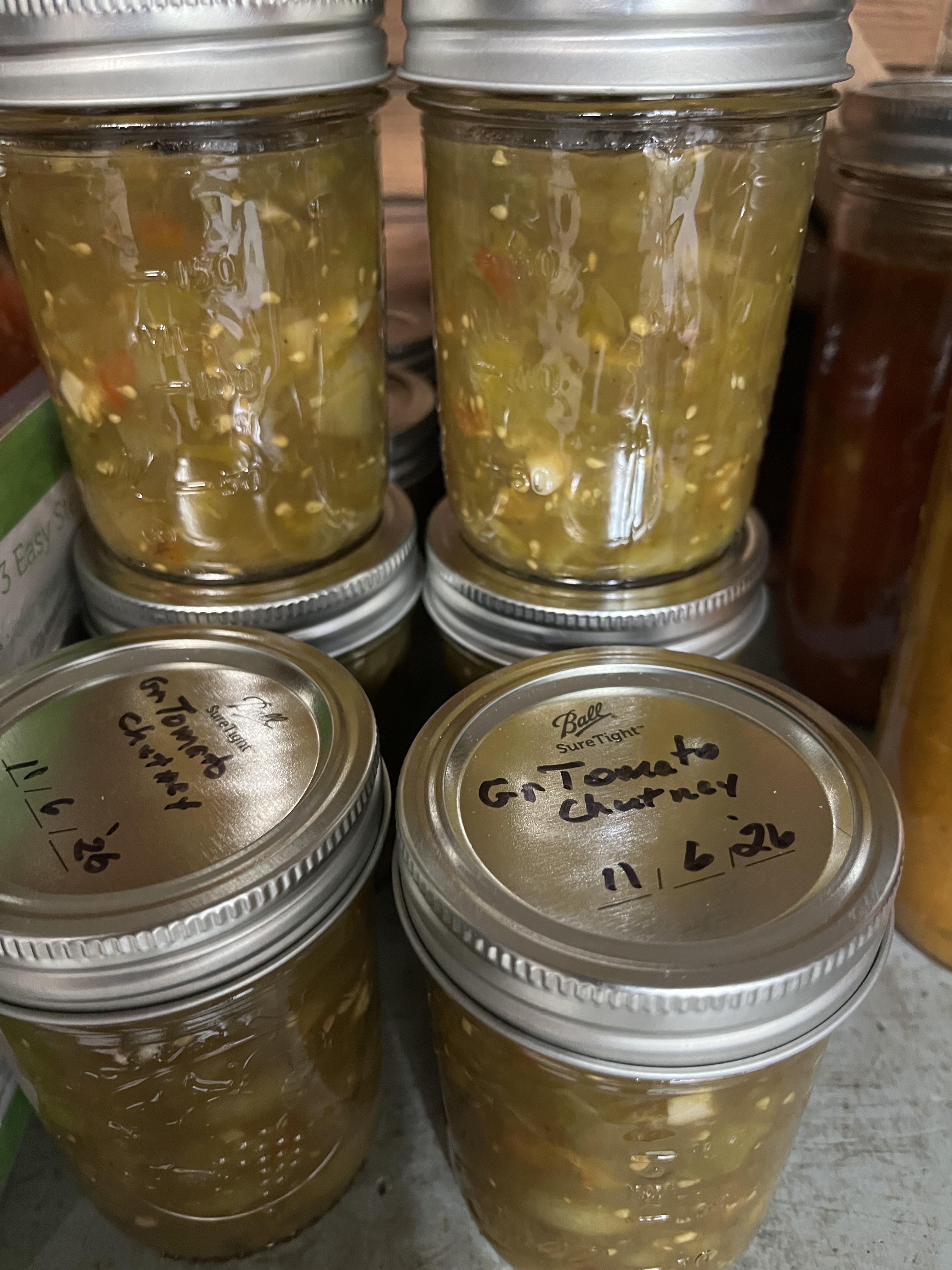
In the season of ripeness, think about “putting by” for the winter as a process that goes on throughout the summer. One benefit of canning and preserving food is that foods put up in jars do not need to be refrigerated or frozen to keep safely. Invest in a pressure cooker to use for processing low acid foods. For reliable information, The US Department of Agriculture has good information for beginners and experts. https://www.nal.usda.gov/exhibits/ipd/canning/items/show/101 The Joy of Cooking remans a standard choice. Also, the makers of Ball Mason Jars https://www.ballmasonjars.com/canning-preserving-guides.html include directions and recipes.